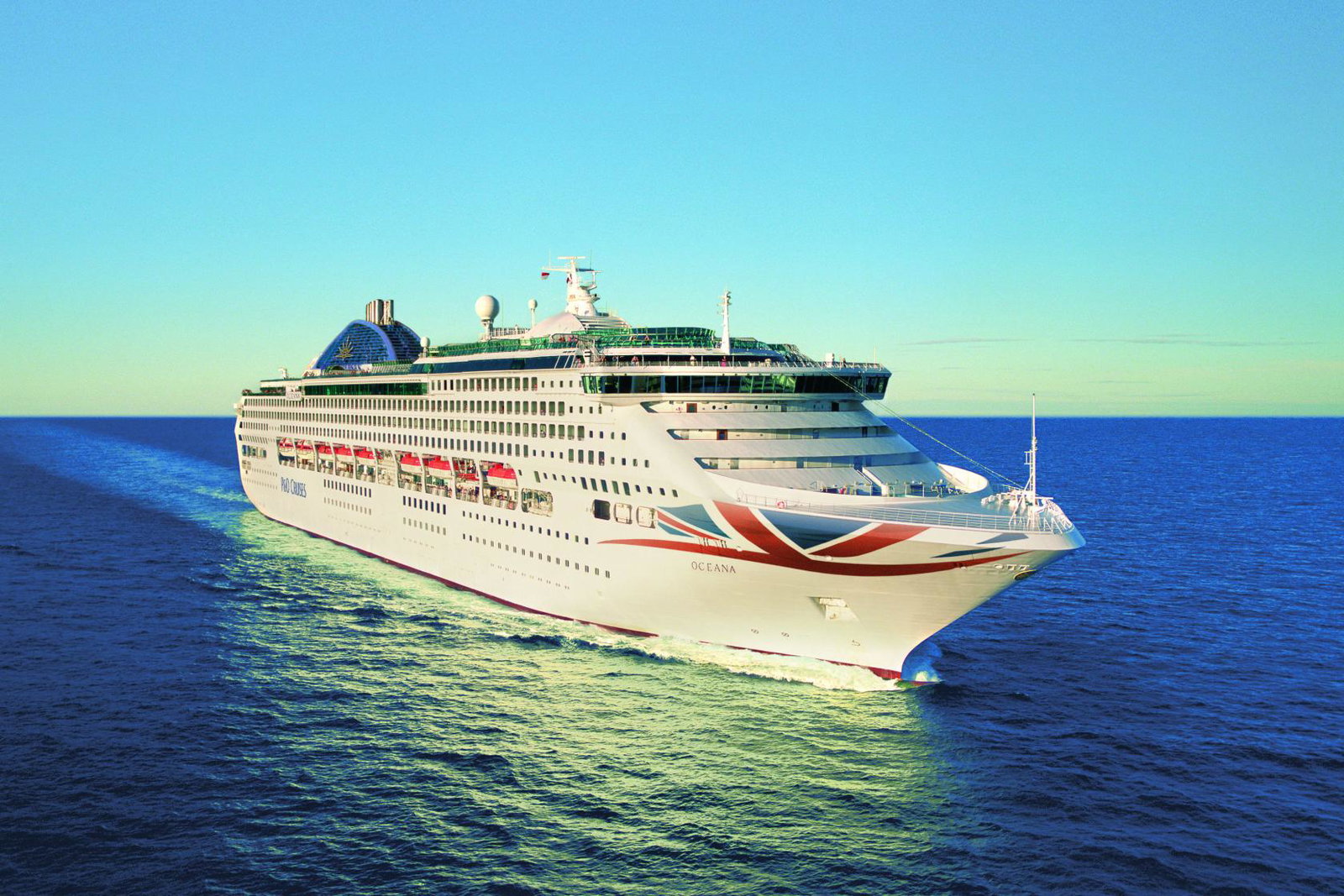
The documentary’s researchers found pollution levels on one vessel, P&O’s Oceana, were more than double the average found in central London.
With 87 ships due to be fitted or refitted with alternative fuel options until 2026, Clia said that it would “take their environmental commitment very seriously”.
A spokesperson for Clia said: “Clia member cruise lines take great care to ensure that each new generation of ships is more eco-friendly than the previous one and our members are committed to fitting existing ships with the latest technology as part of continued improvements across the industry.”
Also examined in the television documentary was the dumping of "grey water" at sea and pollution ports, where ships running their engines to power electricity on board are said to be big sources of contaminated air.
One reading on the ship found 84,000 ultra-fine particulates per cabin centimetre on the deck and directly next to the Oceana’s funnels - more than double a number of particles found in central London’s Piccadilly Circus.
In response to Dispatches’ undercover discoveries onboard Oceana, a P&O spokesperson said: “Since 2005 we have reduced our fuel consumption by… 28% with the accompanying reduction in air emissions.”
Clia added: “Environmental sustainability is at the heart of the cruise lines’ economic models and it has been the absolute leader in the development and deployment of environmental technology innovations for decades."
Justin Francis, chief executive, Responsible Travel, added: "Criticism of the cruise sector for its environmental impacts and workers’ rights have been mounting for years.
"In my view they’ll find the new evidence of impacts on passengers’ health harder to shrug off.
"I think we’ve reached a tipping point where the cruise sector needs to get serious about change, or see its wings clipped by local residents, governments and marine and environmental regulators."