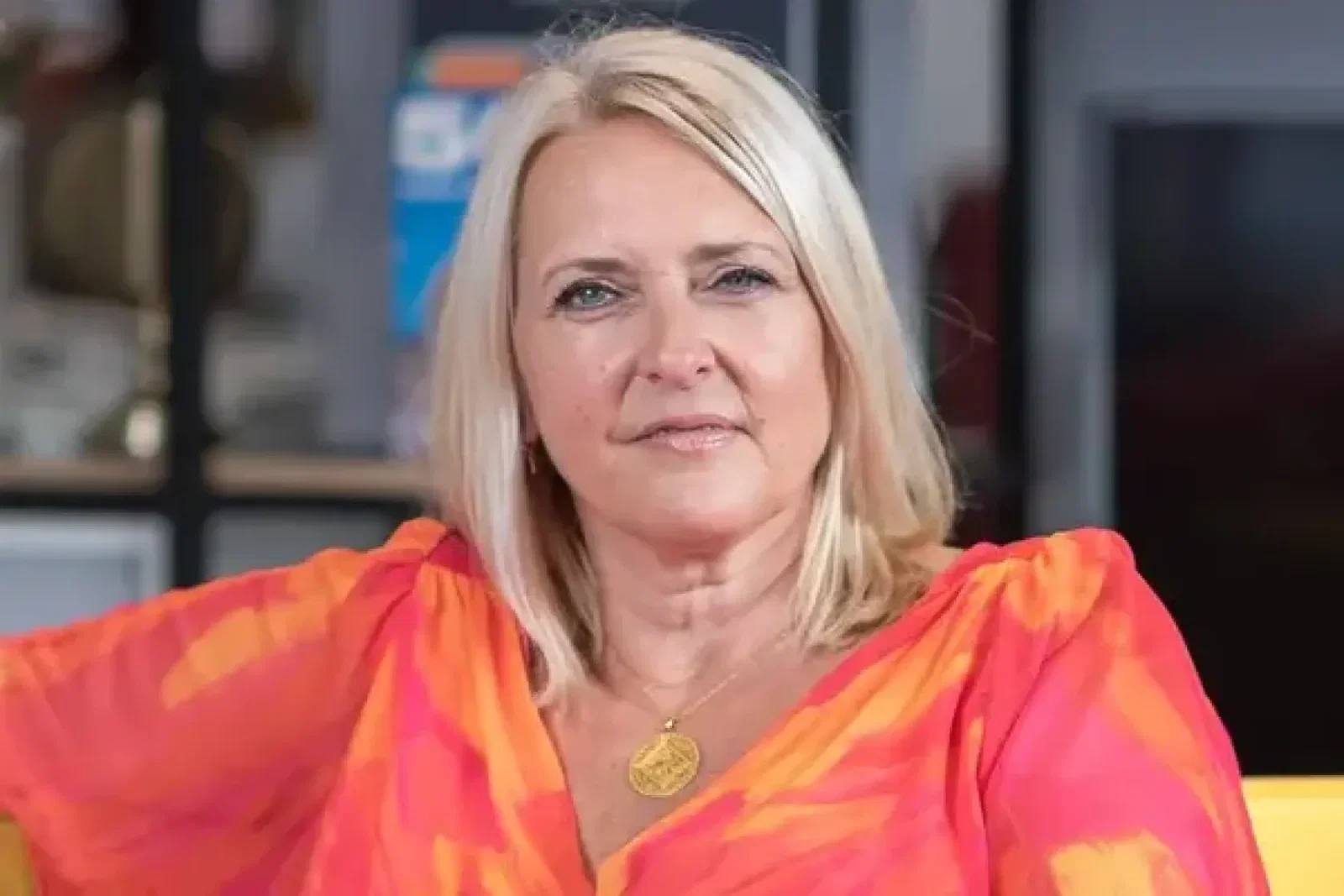
Sometimes, it’s the unexpected feedback that makes you think. “I had a letter from a customer saying she could not travel any more, so she asked to be taken off our mailing list,” recalls Jules Verne Travel’s managing director Debbie O’Neill.
“She said all she does now was ‘pop down to Waitrose’. She spent a lot of time home on her own but said what they couldn’t take away were the memories of her holidays. For me that’s what travel is all about.”
Jules Verne’s client base is firmly in the 50- to 55-plus age group, and the comments tie neatly with research by new head of marketing Michelle Laverick. Her work identified three “very clear” customer types.
First, there are those with work commitments who are cash-rich, time-poor and need “action-packed” itineraries, usually long-haul.
Another are those preparing for retirement who feel health issues may prevent them travelling further afield later in life and want to make the most of it while they can. "They are looking at a kind of backpacking, but nicer, and with a group of like-minded people," Laverick says.
The third category are older travellers, possibly with health concerns, who are perhaps in the final phase of their travel life. “They’re looking to go closer to home,” she says.
Brand refresh
Jules Verne believes it caters for each type, marrying this with a history dating back to 1978 when it opened China to tourists using train travel. This is important to O’Neill, who oversaw a brand refresh in January that plays on a heritage that will appeal to its client base.
“I wanted to evoke the nostalgia of travel, when people travelled by train and the journey was as much a part of the holiday as the destination.”
O’Neill admits being a pioneer "in this day and age" is more difficult than ever. "There are lots of companies doing brilliant stuff," she says.
However, she does have some radical ideas up her sleeve, including embracing the concept of “queenagers” – confident older women, who, happily for Jules Verne, have more spending power than their younger selves.
Its latest initiative, a revamped solos programme, is suited to this segment. Feedback identified a need for itineraries with solo-only groups and opportunities to get to know fellow guests early on. There are no “twin shares”; “that’s not right for our audience,” says Laverick.
O’Neill adds: “We’ve always had limited rooms with no single supplements, but we’ve expanded the number of departures dedicated to solos by 200%.”
It should appeal; the operator’s proportion of solo travellers has risen from 23% in 2019 to 27% today. A new premium sub-brand, In Style, is also being launched, with upgraded accommodation and a la carte dining on 15 tours.
‘A bit of naivety’
O’Neill took charge of Jules Verne in May 2023. She started as a travel agent but has worked for the operator since she was 20. On taking the top job, she immediately decided to bring the former direct-sell brand to the trade.
“It was the first thing I did,” she says. “What I really underestimated was how it would impact staff. We sat on the edge of the industry for so many years not really being involved. All of a sudden, we were running educationals, going to conferences, events, meeting agents. It lifted everyone.”
There have though, been pitfalls. “Probably there was a bit of naivety, I thought we could just offer our product with a dedicated number. I realised we needed to be seen as a partner, that the trade needs to trust us if something goes wrong. It’s been a bit of a learning curve.”
An initial flurry of trade bookings – 23% of the 10,000 total – has now settled at 15%. For O’Neill, that’s justification for working with agents: “I’m happy for that to go up, but happy if it doesn’t.”