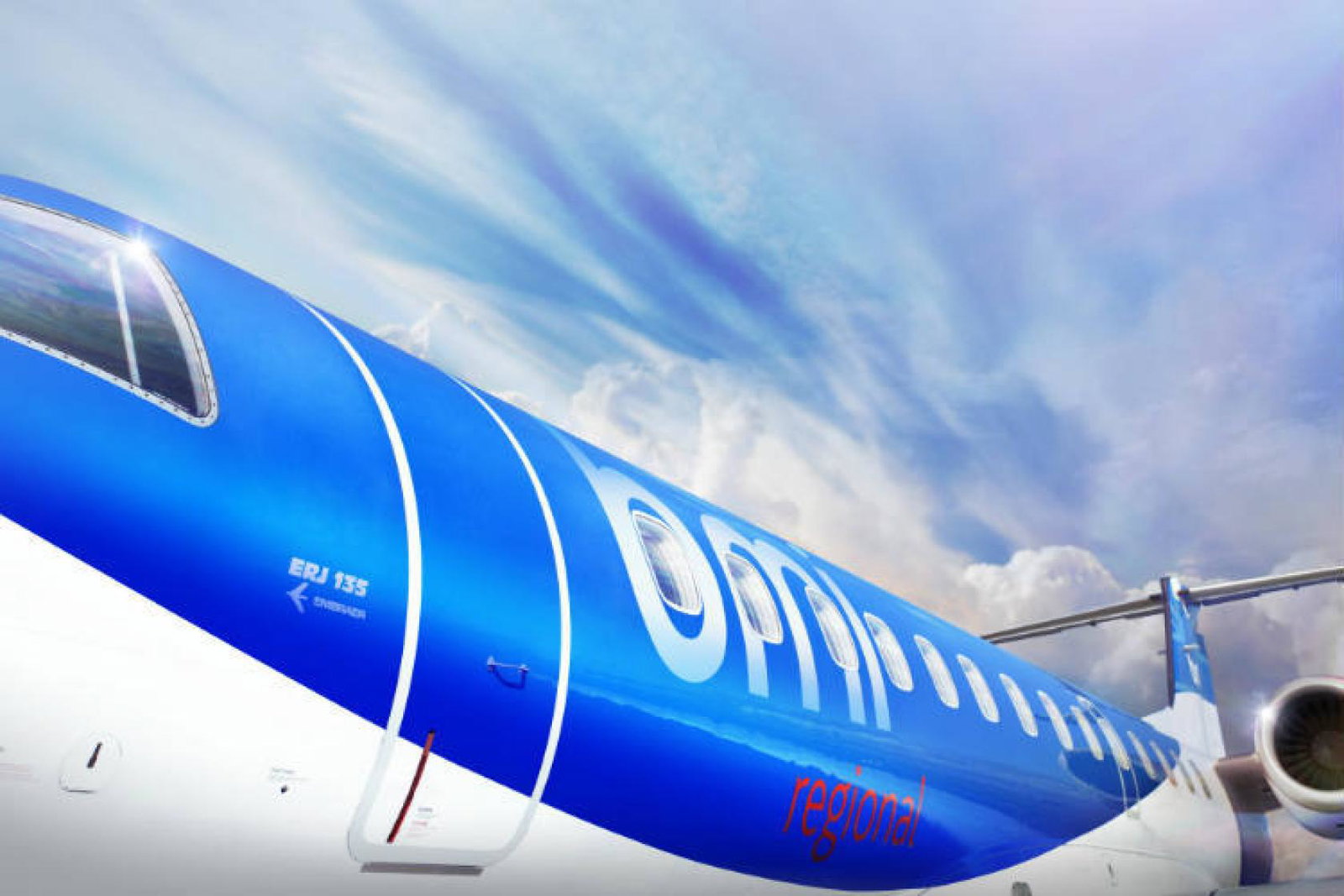
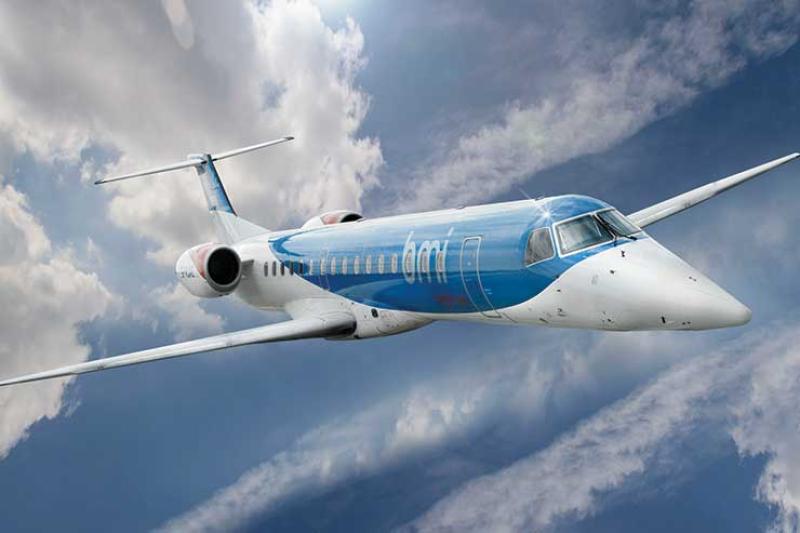
Tim Alderslade, chief executive of the trade body for UK registered airlines, said the collapse of the regional carrier must also act as a wake-up call for the government.
“It should give government – and other parts of the industry who relentlessly champion passenger growth but too frequently neglect the challenges carriers face – pause for thought about the costs they are asking airlines to absorb and to what extent this is sustainable into the future,” said Alderslade.
In particular, Alderslade said the collapse of Flybmi must result in a fresh look at the future of Air Passenger Duty (APD).
APD is a tax levied on all airlines operating in the UK. It was introduced in 1994 at a flat rate of £5 to UK and EU destinations and £10 elsewhere.
However, the charge has increased significantly to between £13 and £78 for Band A destinations (within 2,000 miles) and £78 and £468 for Band B (2,001+ miles). From April 1, the Band B standard rate will increase to £172 and higher rate to £515.
“Rates of UK APD are the highest in the world, making it harder for airlines to grow and sustain routes as they battle high fixed costs and wider economic uncertainty,” said Alderslade. “Indeed, the UK was the only country in Europe to see a loss of direct connectivity last year.
“APD doubly affects regional UK carriers by effectively taxing passengers twice, £13 on both the outbound and return journeys. The demise of Flybmi highlights the myriad challenges faced by airlines today trying to keep revenues ahead of costs, and should act as a wake-up call for government which must prioritise a cut to this damaging tax – more important than ever as the UK becomes more reliant on aviation post-Brexit.”
FLybmi collapsed into administration on Saturday (February 16) citing the ongoing uncertainty around Brexit and growing fuel costs.
Loganair has stepped in to operate some Flybmi services from Aberdeen airport, while Ryanair and easyJet have announced rescue fares on some routes.