The partners said the aim of the initiative was to create an easy and accessible way for tourism business to implement more ethical wildlife practices as they bounce back from the Covid crisis.
The toolkit, free to download from the Intrepid website, includes steps to become wildlife-friendly, including how to draft animal welfare policy, and an editable welfare policy modelled on Intrepid’s.
It also includes ways to seek additional support, such as resources to help educate customers and/or staff.
“The Covid-19 crisis has provided our industry with an opportunity to redefine what tourism looks like once travel resumes and to use this time to forge a new path for a more responsible, sustainable and ethical future,” said Intrepid chief executive James Thornton.
“We must put real action behind our words, and as operators who facilitate experiences all around the world, it is our responsibility to protect the environment and all of its living species.
"The very least we can do is ensure our practices are not causing harm to the wildlife who call the destinations we visit home.”
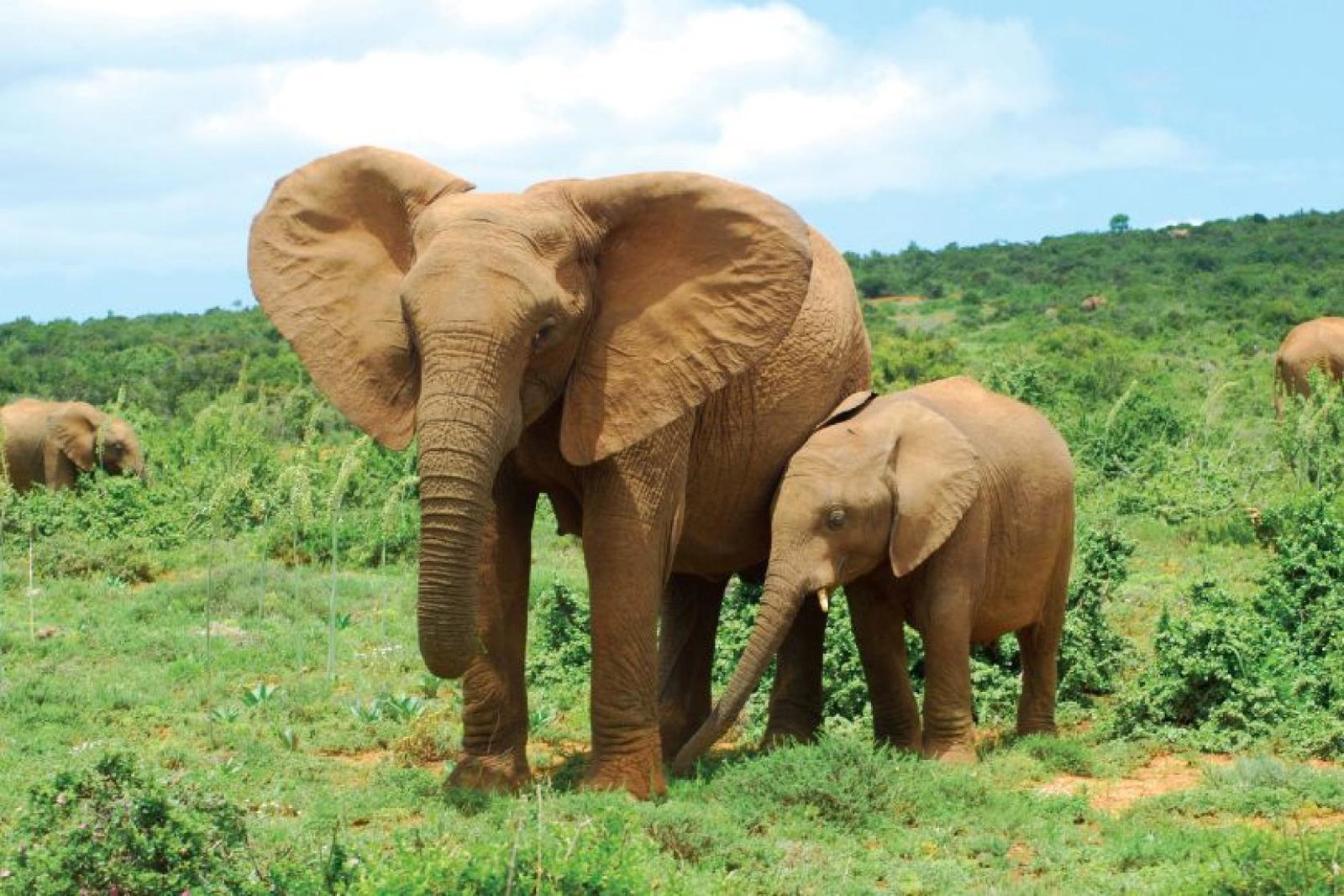
According to World Animal Protection, some 550,000 wild animals are currently suffering owing to tourist entertainment venues globally through activities such as elephant riding, dolphin performances and lion walks.
The group believes coronavirus has made the situation worse, with dozens of elephant camps in Thailand forced to close due to the pandemic. It has launched an appeal to feed and care for these elephants over the coming months.
Audrey Mealia, World Animal Protection global head of wildlife, said tourism was at a turning point when it comes to its relationship with wild animals. "For too long, these intelligent, sociable creatures have been the victims of a cruel trade, just to entertain tourists on holiday," said Mealia.
“Tourists are duped into believing they are helping wild animals and the conservation of the species, while in reality they are creating the demand for such activities. The tourism industry has come to a halt in the wake of Covid-19, but it will rebuild – this is the ideal opportunity to build a better future.
"We are calling on the tourism industry to revise their wildlife policies and stop offering exploitative experiences to their customers once and for all.”