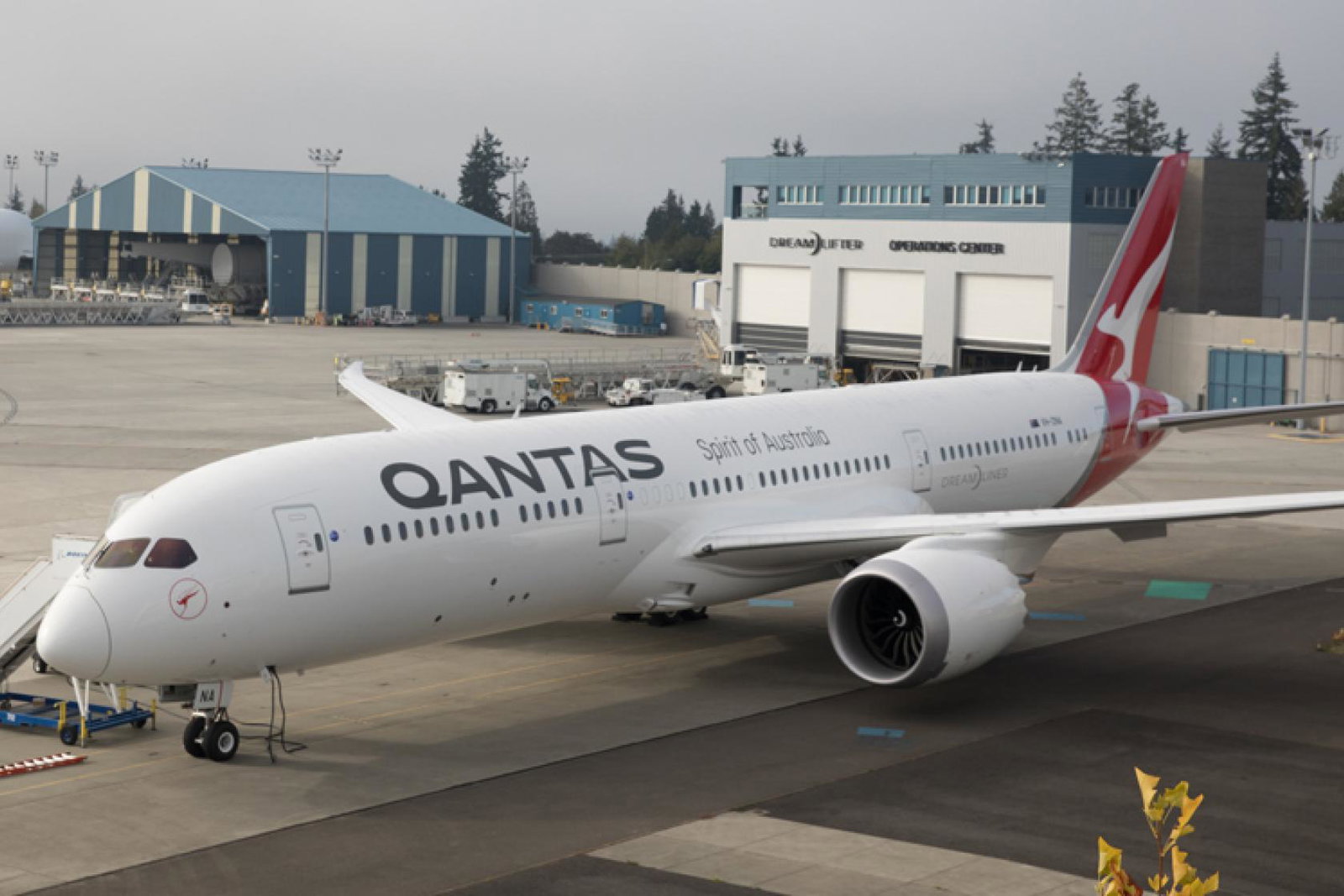
The group will seek to reduce costs by around AUS $15 billion (£8.3 billion) over the next three years; around 100 of the group’s aircraft will be grounded for up to 12 months, and potentially beyond, to save cash, while the group will pursue annual cost savings of AUS $1 billion from 2023 through "productivity improvements" across group operations.
"Key actions" include reducing the group’s pre-crisis workforce by at least 6,000 roles across all functions ; continuing to "stand down" 15,000 employees while international operations are restricted; and bringing forward plans to retire its remaining six Boeing 747 aircraft.

Additionally, some leased aircraft may be returned, while new Airbus A321neo and Boeing 787-9 deliveries have been deferred.
The group says its immediate focus will be to "right-size" the group’s workforce, fleet and costs; restructure to deliver cost savings and efficiencies; and recapitalise by raising cash through equity, targeting an initial AUS $1.9 billion.
Group chief executive Alan Joyce said Qantas entered the crisis "in a better position than most" and had "some of the best prospects for recovery". However, he acknowledged it would "take years" before international flying recovers to where it was pre-crisis.
“We have to position ourselves for several years where revenue will be much lower," said Joyce. "And that means becoming a smaller airline in the short term. Most airlines will have to restructure to survive, which also means they’ll come through this leaner and more competitive. For all these reasons, we have to take action now."
Joyce said some of the decisions being made were "very painful" and would inevitably interrupt or halt careers.
“We’re committed to providing those affected with as much support as we can.
"That includes preserving as many jobs as possible through stand downs, offering voluntary rather than compulsory redundancies where possible, and providing large severance payouts for long-serving employees."
Around 8,000 of the group’s 29,000 employees are expected to return to work by the end of July, rising to 15,000 by the end of the year and to 21,000 by June 2022. "Stand-ups" will increase as travel restrictions are lifted and flying resumes.
Across Qantas and low-cost subsidiary Jetstar, proposed job cuts include at least 1,450 non-operational roles, at least 1,500 in ground operations, at least 1,050 cabin crew; at least 630 in engineering, and at least 220 pilot roles.
Joyce has agreed to extend his service as chief executive until at least the end of the group’s 2023 full-year to provide stability.