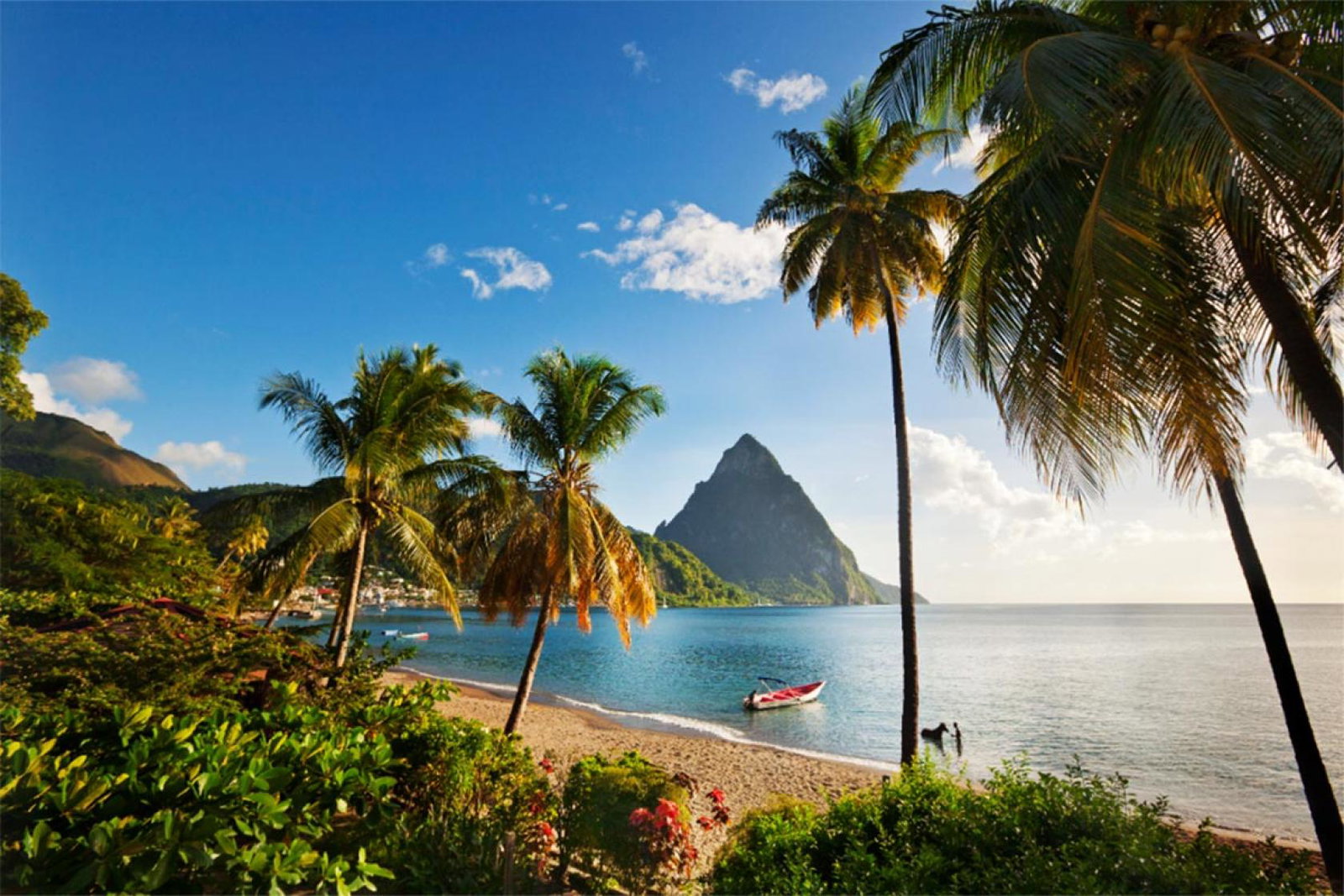
From 9 July, pre-travel tests will be mandatory for all arrivals from outside the country’s "travel bubble", which mainly constitutes its Caribbean neighbours; visitors with a travel history from these countries will be exempt from quarantine.
It comes after Saint Lucia started to reopen its borders to international travel from 4 June.
All visitors, and returning citizens, must complete a pre-arrival registration form at stlucia.org, which includes providing proof of their negative test and indicating which of the island’s Covid-19 certified hotels they will be staying in.
Arrivals will be screened at the airport, with any symptomatic passengers isolated and tested. They will be required to remain in isolation at their hotel or government quarantine facility until a test result is obtained.
If they test positive, they will be transferred to a treatment facility until they receive two negative test results and are clinically stable.
Passengers arriving with proof of a negative PCR test may be exempt from on-island testing and advance through immigration, baggage reclaim, customs and arrivals before heading to their Covid certified hotel, pre-approved home quarantine, or government quarantine facility.
Anyone arriving without proof of a negative PCR test will be subject to immediate isolation and testing, with possible quarantine or treatment should they test positive at their own cost. Visitors will need to consult an accredited testing provider before they travel.
Several hotels and resorts in Saint Lucia have received Covid-19 certification, including Bay Gardens Beach Resort and Spa, Sandals Grande St Lucian, Stonefield Resort Villas and Sugar Beach - Viceroy Resort. Several other hotels and resorts are on track to receive certification in July, according to the country’s tourism authority.
During the first phase of Saint Lucia’s plans to restart its tourism economy, visitors will only be able to stay at certified hotels and resorts.
Health and safety measures include sanitising luggage upon check in; staffing a nursing station; strict sanitation protocols; social distancing; and installing hand sanitiser stations throughout properties.
Masks are mandatory in all public places and while travelling in any on-island transportation.