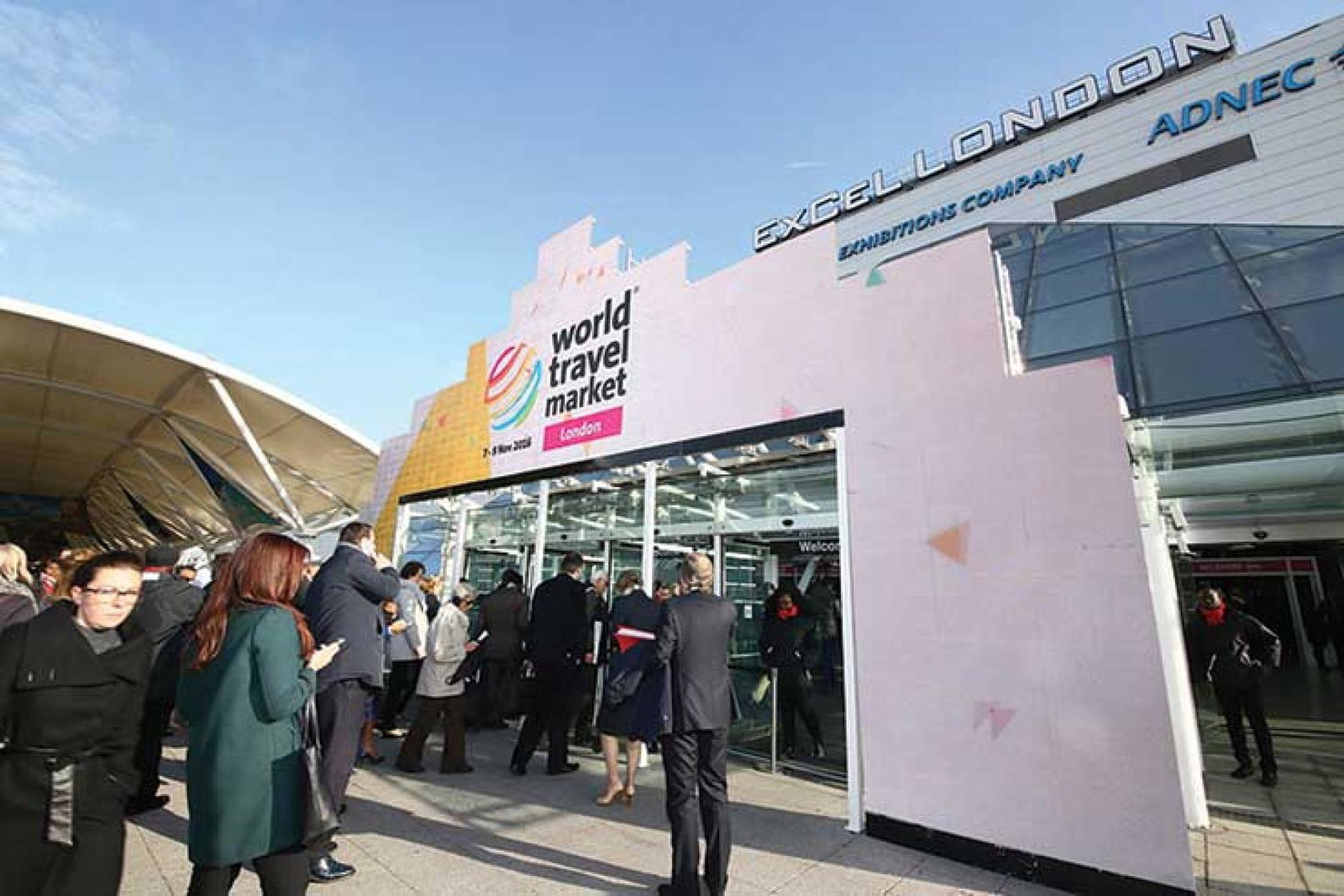
I’m confident some of the inspiring ideas and fresh thinking from experts, entrepreneurs and politicians at the 40th edition of the event will help the travel and tourism industry face the challenges of the 2020s.
From micro-businesses to major global corporations, we heard about practical solutions to problems ranging from the climate crisis and Brexit to destinations recovering from natural disasters and adapting to changing consumer trends.
British prime minister Boris Johnson hailed the success of inbound tourism to the UK in a video recorded for WTM London, while culture secretary Nicky Morgan spoke on the industry’s £68 billion contribution to the UK economy.
However, speakers admitted Brexit was a headline issue for travel, which is also facing a general downturn in the European economy.
However, there were also signs for optimism. Despite the collapse of Thomas Cook, speakers agreed consumers around the world are still keen to travel, and package holidays and high street agents still have an important role to play.
Elsewhere, debates about the climate crisis highlighted how we only have an estimated 10 years to tackle the problem of carbon emissions – in a world where more consumers want to travel by air.
Solutions offered ranged from taxes on aviation fuel and frequent flyers to more carbon-offsetting projects and technological fixes.
And further optimism came in the form of the WTM World Responsible Tourism Awards winners, who this year ranged from an off-grid eco-lodge in Jordan to travel giant Tui, showing how sustainability affects every business – and how every business needs to be putting sustainability front of mind.
Technology was another hot topic, both at WTM London and the co-located Travel Forward event, with predictions about the growth of artificial intelligence, biometrics, virtual assistants and new social media channels all covered.
Destinations and exhibitors also shared their ideas for adapting to challenges, ranging from the Bahamas and Sri Lanka – bouncing back from Hurricane Dorian and terrorism respectively – to Greece, which is embracing sustainability, and China, which is encouraging visitors to travel to off-the-beaten track regions.
We also heard about the benefits of promoting diversity and inclusivity, with speakers talking about travellers with disabilities and companies promoting more women in the industry.
Elsewhere, destinations such as Puerto Rico are appealing to LGBTQ+ holidaymakers, as the “pink pound” plays a more lucrative and vital role.
Our ministers’ summit heard a wealth of ideas, including ways that global giants such as Google and Mastercard can help small rural businesses.
While the next decade will hold many challenges for our industry, after WTM London, I – and I hope many others – feel reassured that we have the expertise, enthusiasm and insights to overcome those hurdles and to thrive for years to come.