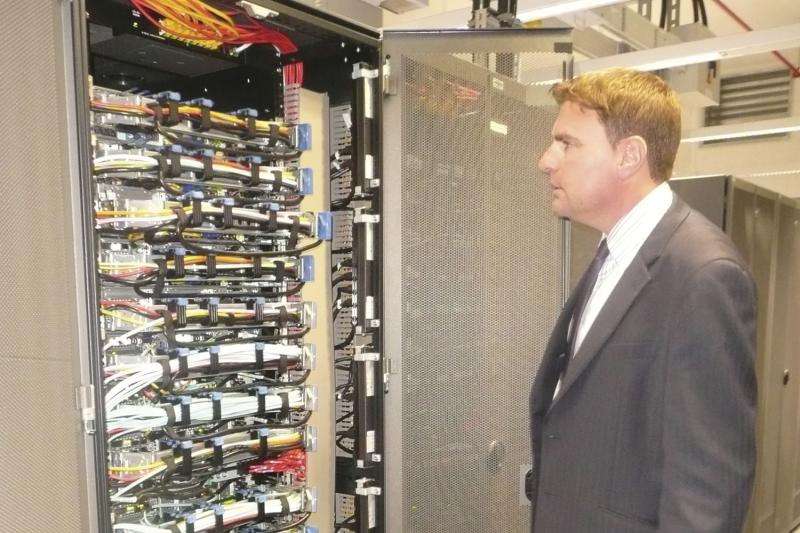
My passport is checked three times before I am allowed into Amadeus’s high-security data centre located in the small and remarkably quiet German town of Erding. I had shown it fewer times at the airport.
To the untrained eye this nondescript grey building situated 28 miles outside Munich looks like any other 23-year old German factory. But take a closer look and you realise how its military-level security demonstrates the real “value” of data to the travel industry in 2013.
Technology: Inside Amadeus' Global Distribution System data centre
Technology
TTG Staff
2 October 2013
Just what goes on behind the closed doors of a Global Distribution System data centre? Steve Hemsley resists the urge to press any flashing buttons when he visits Amadeus in Germany
Register for free to continue reading
Get unlimited access to the latest travel industry news and analysis, comment on articles and sign up to newsletters.
Register for free
Already registered? Login here or below.
Having difficulty logging in? Try these tips, or contact support@ttgmedia.com