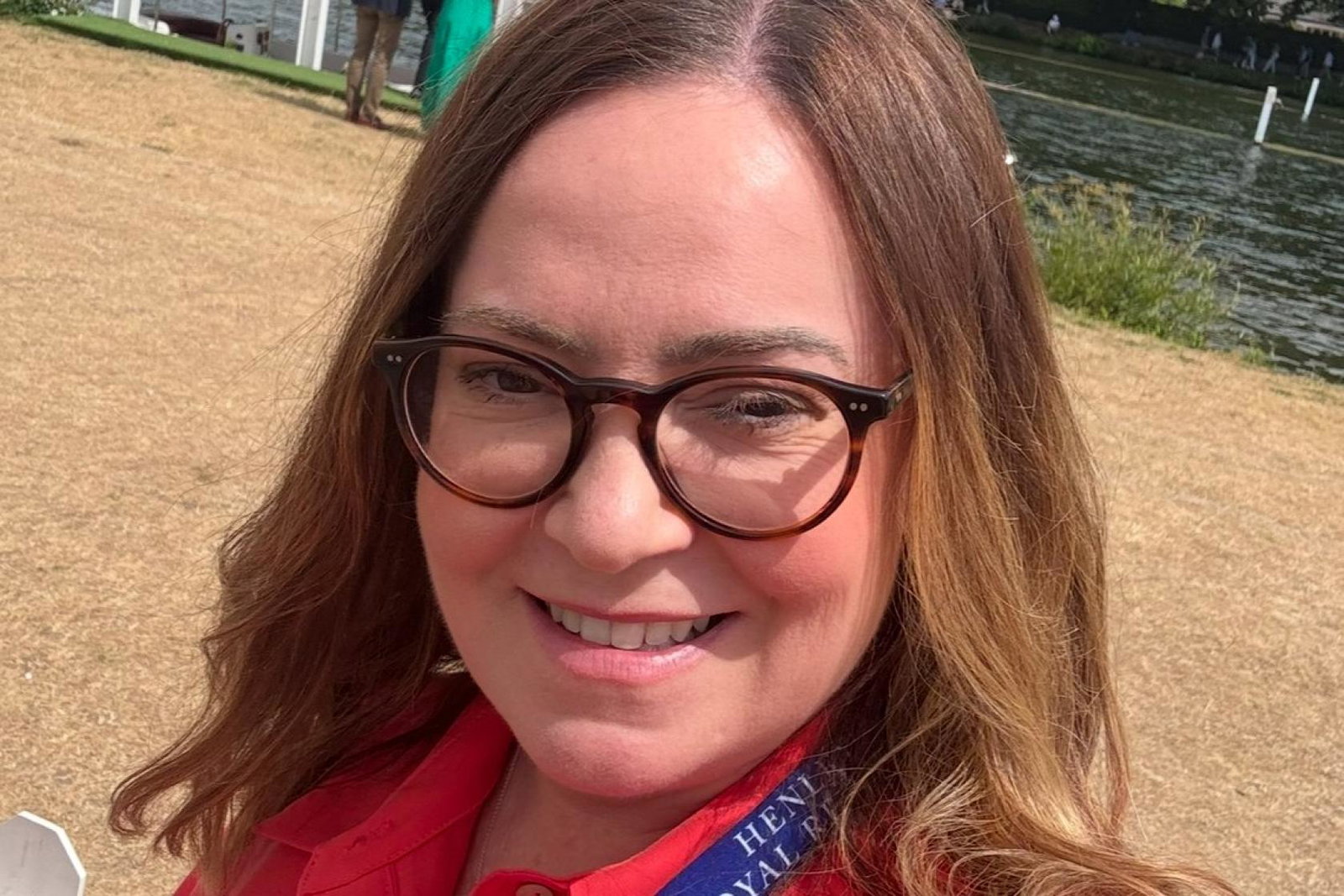
I'm not neurodivergent, but my husband and two girls aged nine and 11 are, so I'm used to making adjustments to the way we travel. They're all diagnosed with ADHD, and we had to cater for the girls' allergies too when they were younger.
Client wise, most of my neurodivergent customers are autistic, but I generally use the umbrella term as there is so much crossover. It’s an area I know well. I understand how variable needs can be so I always try to cover these in my basic questions when planning trips.
I often find people then mention allergies, anxiety, ADHD, and so on, alongside any mobility needs. My girls are also hyper mobile, which is a common comorbid condition.
Rather than sell deals online, I find most of my customers – and most of my customers find me – through word of mouth recommendations. Most don’t know we can add notes for hotels on things like food – dietaries and preferences – or the location of their room.
I offer as much information as possible to put customers at ease, things like resort maps. We plan timings for arriving at the airport and arrange special assistance where necessary.
I generally recommend private transfers or work with the client in advance to pre-plan a route via public transport for city breaks as a combination of the flight and then clearing passport control, even with special assistance, is usually enough waiting around.
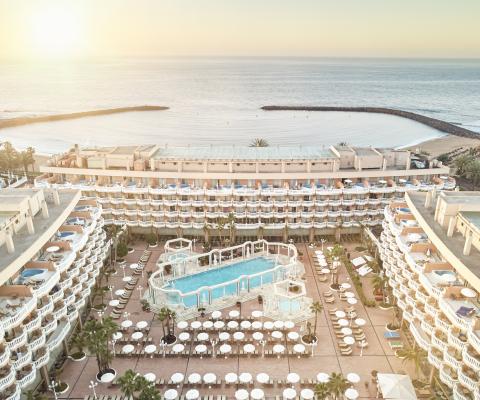
From digging deeper at events and training sessions, I know there are hotel chains that are really accommodating so it's an area I would love to keep building on. I know from personal experience what a difference it makes knowing things are in place.
I keep a note of properties that go above and beyond, and the various ways they can offer support – particularly for families – so I can recommend these for future bookings.
Avoiding overwhelm
It’s certainly an area in which I’ve come to specialise – and it makes me feel really good when I hear how much it has helped my customers to relax and ensure they are as prepared as possible for their trips.
I’ve also learned to check how adult neurodivergent customers would like this kind of information delivered too. Typically, they don't want more than two options. I also check if they want to discuss things verbally or via email/WhatsApp, and if they want any more pictures.
It's here a really thorough brief is so important so you have just the right options to send over to avoid the exchange becoming overwhelming.
Not every customer needs a sensory room, but there are some really simple things properties and resorts can do, or have available, to make a stay that bit more comfortable.
Apps and the ability to pre-book restaurants provide reassurance and certainty, while sound bars and different types of lighting help guests tune their rooms to their liking. Many customers want a bright room, while retaining the ability to control the lighting level as needed.
In addition, they should allow guest to set times for housekeeping services so they can plan downtime without the worry of being disturbed.
We must always keep in mind the fact that truly inclusive holidays aren’t just a luxury, they’re a necessity. By thoughtfully planning the details, from sensory needs to clear communication, we can ensure needs are met for a group of customers who deserve to travel in the same comfort as everyone else.
Victoria Brockwell is independent travel agent with Travelosophers.