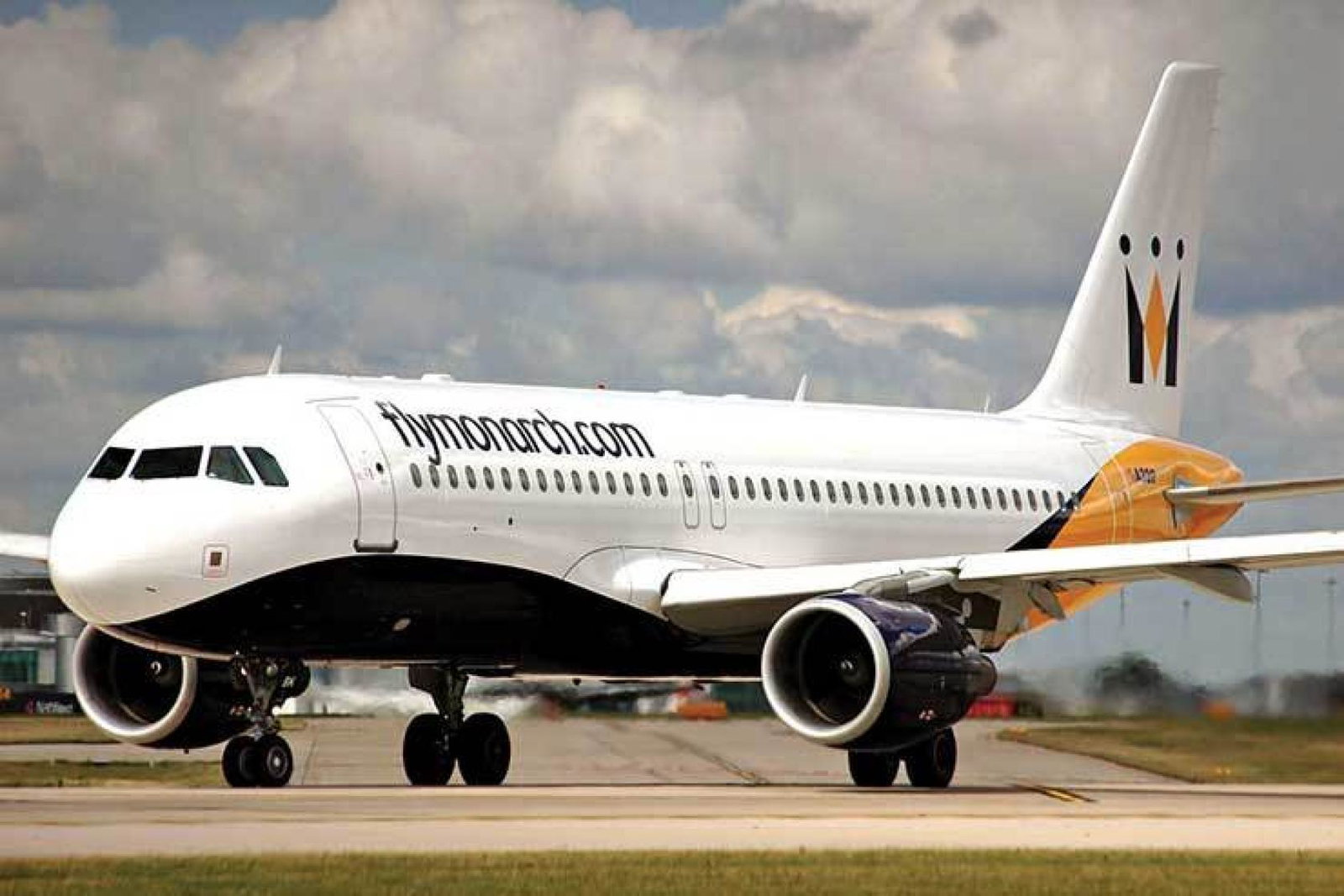
Around 110,000 passengers were left stranded overseas when the embattled airline failed on October 2 last year, only 20% of whom had Atol protection.
The Department for Transport (DfT) and the CAA subsequently launched the largest peacetime repatriation programme in British history.
However, the DfT came under fire from the travel industry when it tried to reclaim costs from various “travel providers”, predominantly tour operators, as well as credit and debit card providers.

Both Aito and Abta were highly critical of the DfT, which tried to levy £250 per non-Atol passenger repatriated on the industry.
LEADER: Why should the rest of travel have to pay to prop up airlines?
The annual Air Travel Trust fund (ATTF) report, issued last week, revealed the Monarch collapse cost the ATTF £16.3 million, which a spokesperson for the CAA confirmed was part of the £60 million repatriation bill, not in addition to it, meaning the majority of the burden still fell on the taxpayer.
A spokesperson for Abta said the association understood the DfT was still, even in recent weeks, liaising with credit card companies of customers who would have been without return flight arrangements to recoup costs.