Why is the freedom to travel in 2023 still an unconscious privilege for many, while disabled passengers journey on with the simple aim of "getting there" in tow?
They say it’s not the destination but the journey that counts. I say this as a disabled person and a parent of disabled children – and as someone working to reclaim the "unconscious travel" I experienced before disability entered my life.
To hop on a plane without thinking about the physical and mental effort involved is still a privilege only truly appreciated by those forced to consider how to overcome every physical and mental touchpoint on that trip.

I’m not talking about putting ramps in all the right places or lifts up to every platform. I’m thinking about hotels and theme parks we’ve visited not working together to deliver consistency, and the "buck passing" my family routinely experiences.
From the time there was no room for our daughter and her wheelchair at a restaurant, to sitting on a plane for an hour with no facilities to help us disembark – they are numerous. I’ve seen a man running behind his disabled partner on a golf buggy through the airport with their luggage because no one thought to leave a seat for him. I’ve seen disabled passengers have their aspirations of dignified and stress-free travel shattered on numerous occasions.
So I’m asking the travel industry to work harder at supporting disabled passengers from the start of their journey to its end – and then widen this approach to deliver truly inclusive experiences for all.
Nearly two-thirds (62%) of disabled people deliberately dehydrate and starve themselves so they won’t need to use the toilet while flying. Nearly half have stopped flying for fear their wheelchair is lost or damaged, or of injury.
I love to travel. I first flew in a plane aged two and travelled unaccompanied to visit relatives in Europe aged eight onwards. But in 2005, brain damage left me disabled and I went on to adopt two disabled children. Travel for us today is planned to the nth degree, and it is intense. For disabled people, travel can still be disjointed, ill-thought out and arduous.
So what needs to change? I’m not here to simply criticise, because many travel professionals do go that extra mile to create inclusive experiences. I want to help travel operators appreciate the challenges all travellers face in journeying from A to B.
As founder of a people and development consultancy focusing on inclusion, I see it regularly: organisations where people have the knowledge and empathy to help others create inclusive and accessible environments.
Disabled people still take fewer trips on average than non-disabled people, but this gap has narrowed. Between 2021 and 2022, disabled people took 82% of the trips non-disabled people took, compared with 77% the previous year. Wheelchair accessible taxis rose from 54% to 55% and the number of travellers satisfied with Passenger Assist on trains rose from 86% to 87%, among other things. There is progress.
From a previous career in retail, I can tell you everyone in an organisation is responsible for customer service. However, disabled passengers still struggle to access the right person and pass on information, often losing days to planning and left hoping the information will be passed on correctly when they do travel.
There’s also too much focus on destination – too many forget those other customer touchpoints en route, the airport, the plane, the hotel.
Inclusive travel experiences ‘should be a right’
So that leads me to how we can change things. We’re facing the same issues in travel as we are in effecting diversity, equity and inclusion in other industries, including the fear of getting it wrong. But travel is harder because the customer process itself is hampering progress.
We need training at all levels; interventions that empower people through knowledge, empathy and engagement. We need to remember the experts are those with lived experience of exclusion.
The rewards for travel operators deciding to strive for better in these areas are also more than about simply boosting morale among employees and passengers. Disabled families contribute around £249 billion per year to the economy, although accessible and inclusive travel experiences should be a right for everyone.
We need to start focusing on entire travel experiences over destinations, remove labels and create better experiences for everyone through processes where people want to help any way they can. Maybe then, we can all return to being "unconscious" travellers again – I know I’m more than ready for that.
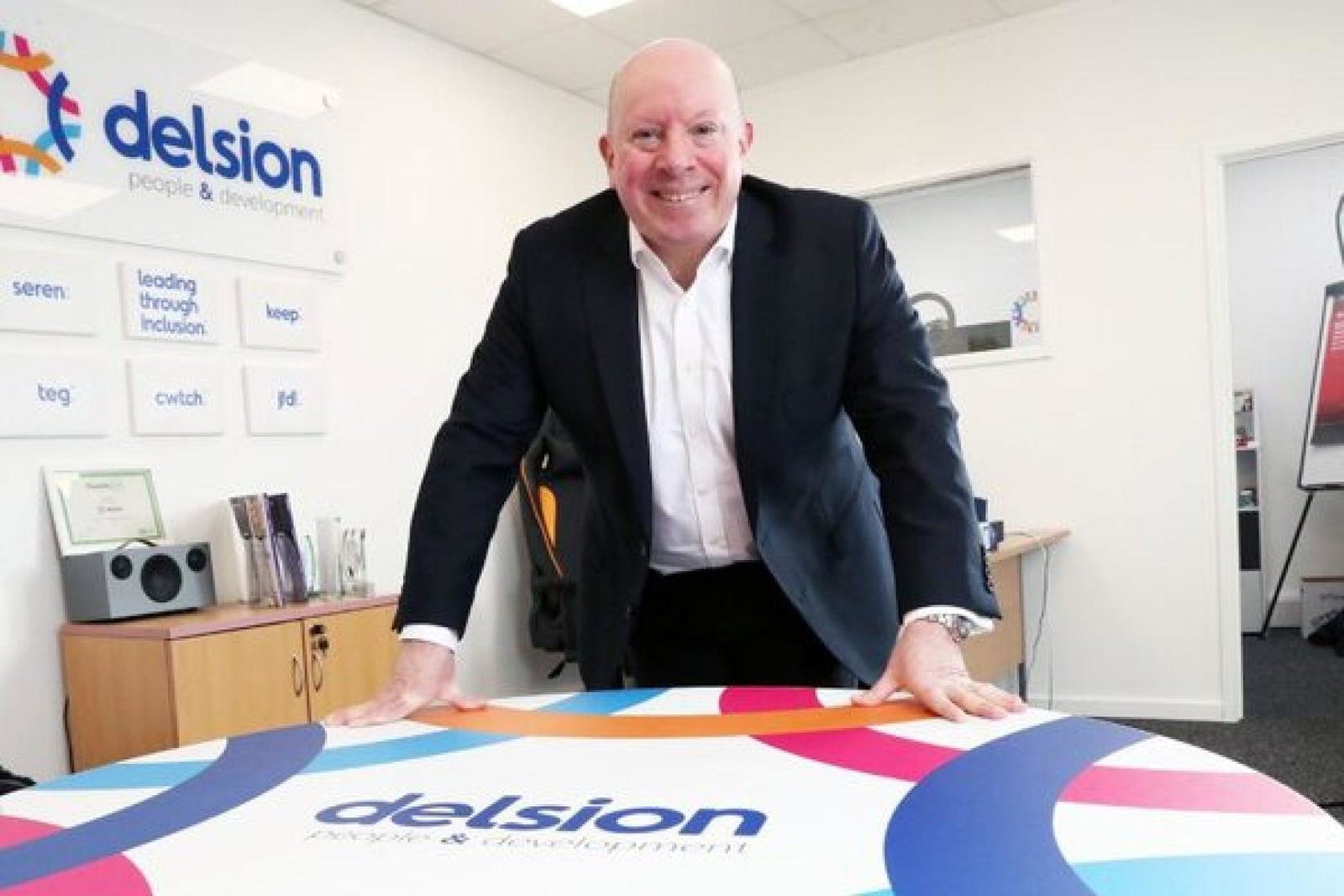
Julian John is founder and chief executive of learning consultancy Delsion, focusing on learning and development, and diversity, equity and inclusion, in order to help people and organisations reach their potential.