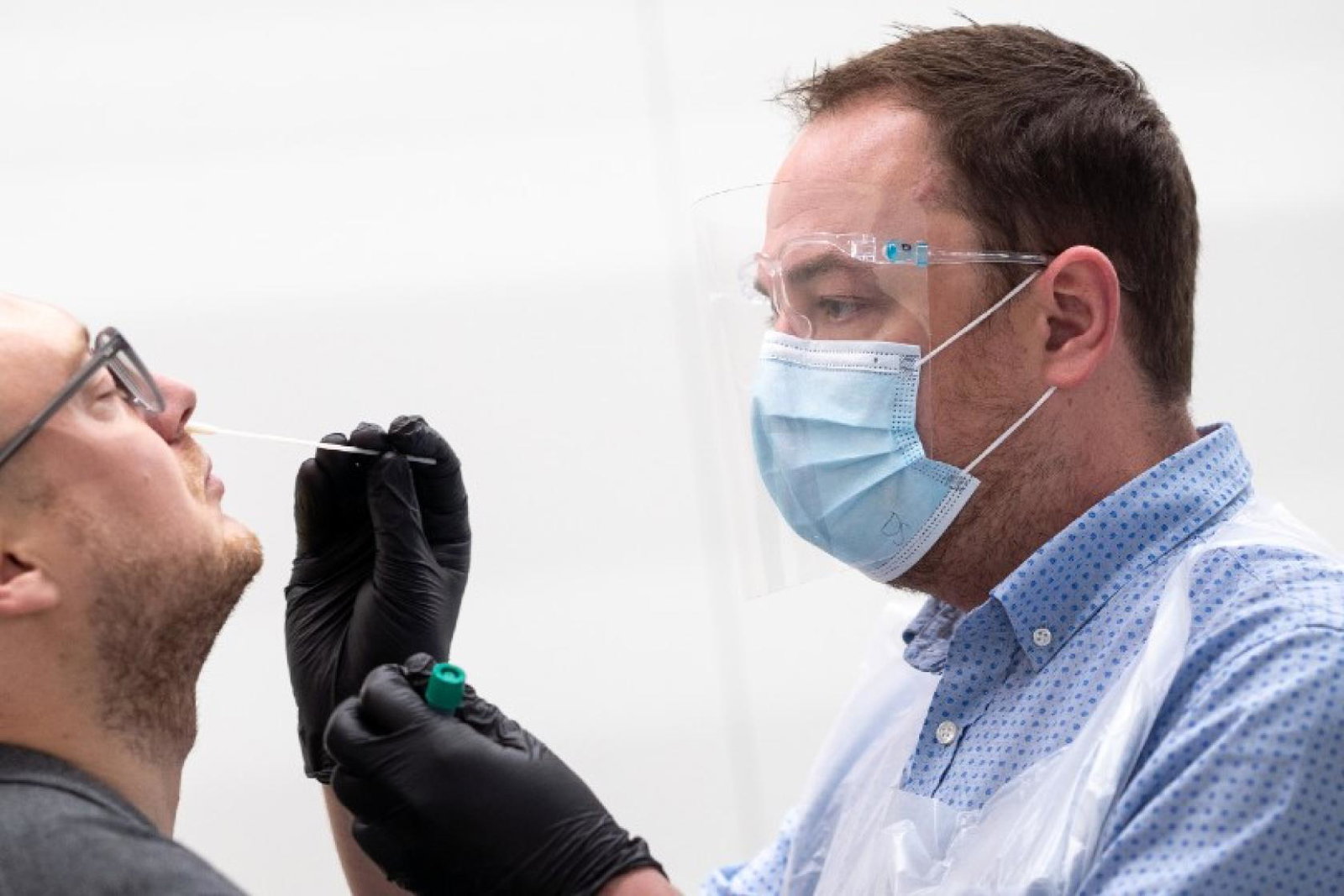
Corneel Koster, Virgin’s chief customer and operating officer, told TTG on Friday (11 December) it would shortly be announcing which routes will be used for the inbound trials after it started testing customers travelling to Barbados from Heathrow last week.
Koster said all 162 passengers tested during the first day of the trial on 10 December had produced negative results, saying the feedback of the experience by passengers had been “remarkably positive”.

“We need to keep building that data. Our competitors are doing that too and that’s good because we all need to provide real life data that shows pre-departure testing is the way to go and that you don’t need quarantine.”
Koster said that “ideally” Virgin would prefer testing to take place 72 hours prior to travel allowing passengers to travel to their destination without quarantine.
“That’s what we believe can be done and we’ll keep offering independent evidence and data.”
Asked if he believed UK ministers would accept the findings of Virgin’s trials – which are due to run for six weeks – Koster said he believed “fact-based” evidence would help, alongside research being conducted in other countries.
“You cannot compromise public health, so we understand what the government wants to achieve but that can be achieved without a quarantine – we need to make sure that international data gets shared.”
Meanwhile, Koster said he believed there was “an increasing sense of awareness and urgency” from authorities in the UK and US for the need to create a transatlantic travel corridor.
“It is so, so, so important to the UK and the US and we’re hoping for positive news either this year or in the New Year.
“We’re hoping the UK and US governments will allow us to play a role and contribute to bouncing back. We’re ready to contribute to recovering economies, we’re ready to contribute to reconnecting people.
“Whether it’s for that much-needed business trip, the chance to see friends and family or that well-deserved holiday – we’re ready to contribute, so please allow us to do so and we know we can do so safely.”