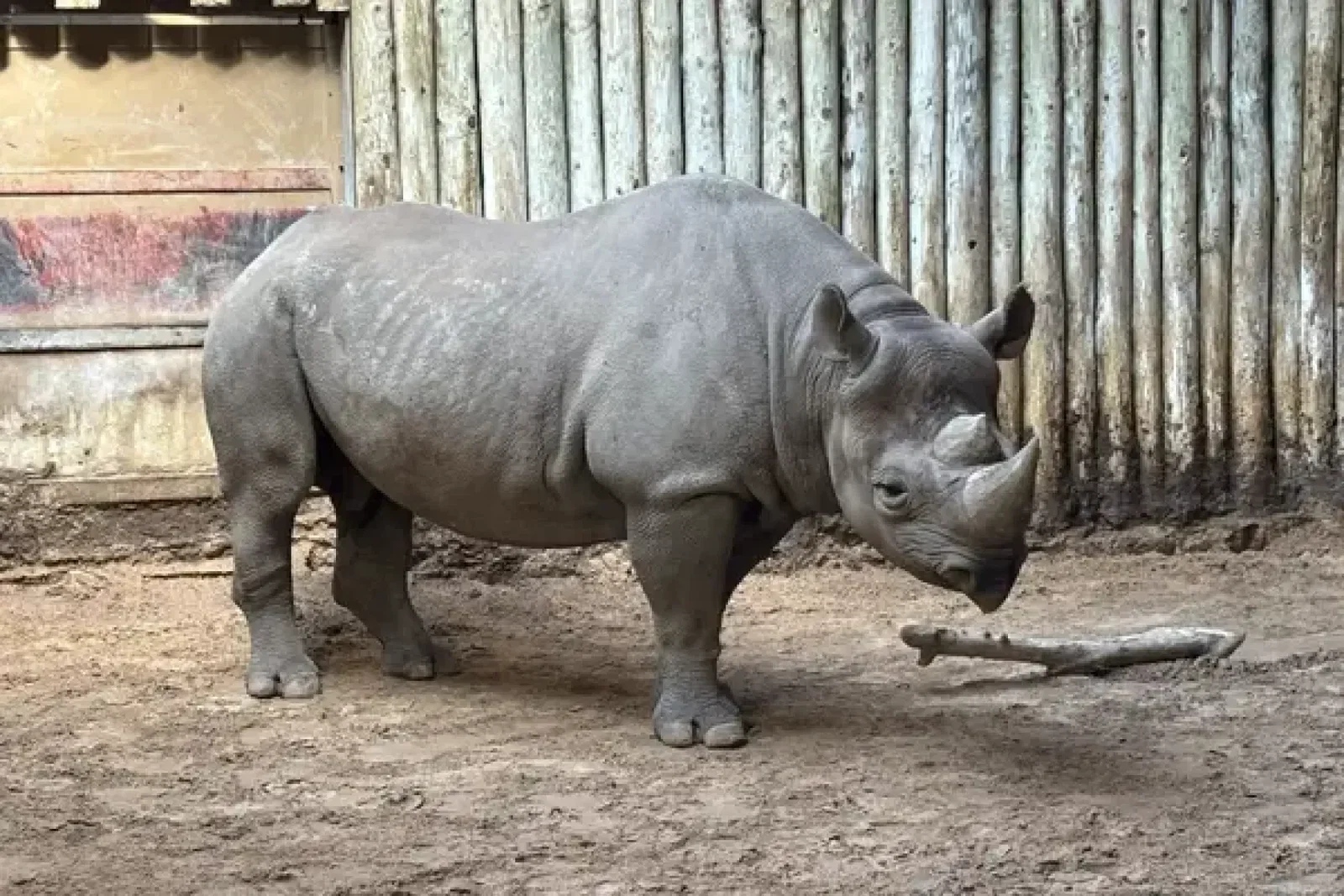
It has been many years since I visited a zoo. It’s an ethical dilemma I’ve been able to avoid, being in the privileged position of having travelled to places like Botswana, Tanzania and the Galapagos for work.
But the more I looked at how Chester Zoo is operating in 2025, the more unfair it felt to make the same criticisms of it that I would make of zoos in general.

It’s true that many zoos overseas have poor animal welfare standards, but UK zoos are already leaders in animal welfare, with stricter regulations to come, and Chester Zoo has helped with research to demonstrate elephant enclosures should be expanded.
Nor can Chester Zoo be accused of showing animals for ‘entertainment purposes’. The snow leopard and jaguar enclosures offer so much privacy that visitors are lucky to ever see them – which is absolutely right.
Some animal attractions have masqueraded as conservation organisations while operating as commercial businesses and making only a minuscule contribution to conservation work.
More: How clients can have a taste of the safari experience right here in the UK
Chester Zoo, however, is a charity, and of the £63.1 million it generated from visitors, memberships and donations last year, a massive £26.5 million was ploughed into field projects, research and education programmes.
By way of comparison, SeaWorld parent United Parks & Resorts saw revenue of $1.72 billion across its SeaWorld, Aquatica and Busch Gardens portfolio last year, yet the SeaWorld & Busch Gardens Conservation Fund contributes only a measly $1 million per year to conservation.
What impressed me on the ground at the zoo was how extensively and cleverly conservation messaging is delivered. This was not sticking up a few posters and hoping for the best, but a system-wide strategy to ensure visitors to the zoo are made to think about the role they can play in preventing extinction.
There was an unexpected but impressive focus on native wildlife too, both in displays around the zoo and by the ranger team at The Reserve, to drive awareness of biodiversity challenges here in the UK.
And I loved the more innovative ways in which the zoo is educating visitors, such as the pangolin puppet (no real pangolins required), and the room with interactive touch-screen walls where Ezra played a shopping game to learn about products that contain hidden palm oil.
Perhaps this is a blueprint for the future: more story-telling and technology and immersive experiences at zoos, and fewer animals in captivity to achieve the same revenue outcome.
The ethics of keeping wild animals in captivity for any purpose still weighs heavily on my mind - there must always be some psychological and behavioural impacts of the artificial environment. The captive breeding of animals who can never be released into the wild, and the keeping of some species that are not in fact endangered, are also concerns.
But “Go and see them in the wild” is not a very sensible suggestion for Chester Zoo’s two million annual visitors either; many won’t have the resources, and the carbon footprint of two million long-haul flights is hardly in wildlife’s best interests.
And if Chester Zoo has found a formula by which a family will happily spend £3,500 on a weekend at The Reserve, and thereby “donate” around £500 to conservation that they likely wouldn’t otherwise, then whether or not agents should sell a purpose-driven zoo in the UK like this one no longer feels to be so clear cut.
For further information:
- Animal welfare in tourism is covered on our Sustainable Travel Ambassadors programme. Download Intrepid’s Animal Welfare Policy Toolkit from the hub, and consider what animal welfare policy feels right for your own business.
- Animondial’s Daniel Turner shared five ways agents can promote better animal welfare in travel at the TTG Sustainability Festival in March
- TTG Media has set out its own editorial guidelines relating to animal welfare and other ethical questions.
- The Reserve at Chester Zoo: How clients can have a taste of the safari experience right here in the UK