The gap between short-haul and long-haul pricing has narrowed due to high demand and tight capacity following the pandemic.
This, combined with residual demand from Covid, meant sales were “buoyant” despite cost-of-living worries, Gold Medal Travel Group marketing director Sarah Lancashire told TTG.
“As a long-haul operator we feel we are benefiting from that already and we have marketed the point that you can go further afield for the same price, plus your money is going to go further.”

She added another trend was “wanderlust realised”. “We used to call it once-in-a-lifetime," she continued. "I think it’s possibly a pandemic hangover that people think the bucket list is not once-in-a-lifetime, they think ‘I’m probably going to do that next year as well’.”
Despite this, she added consumers were still anxious to budget properly, with all-inclusive holidays popular. “All-inclusive is something we expect to have quite a focus on across all our brands.”
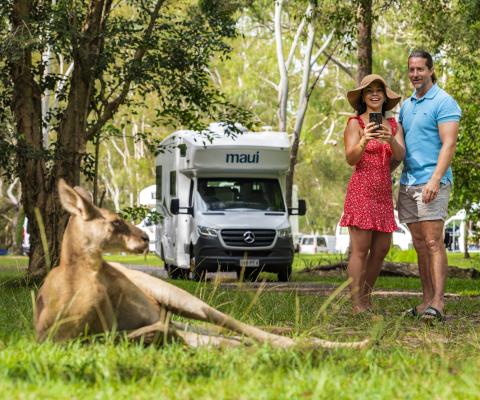
Lancashire admitted higher flight prices were also affecting some long-haul sales patterns. She gave the example of Australia, which she estimated had 30% fewer seats available from the UK than pre-pandemic, with flights “incredibly expensive”.
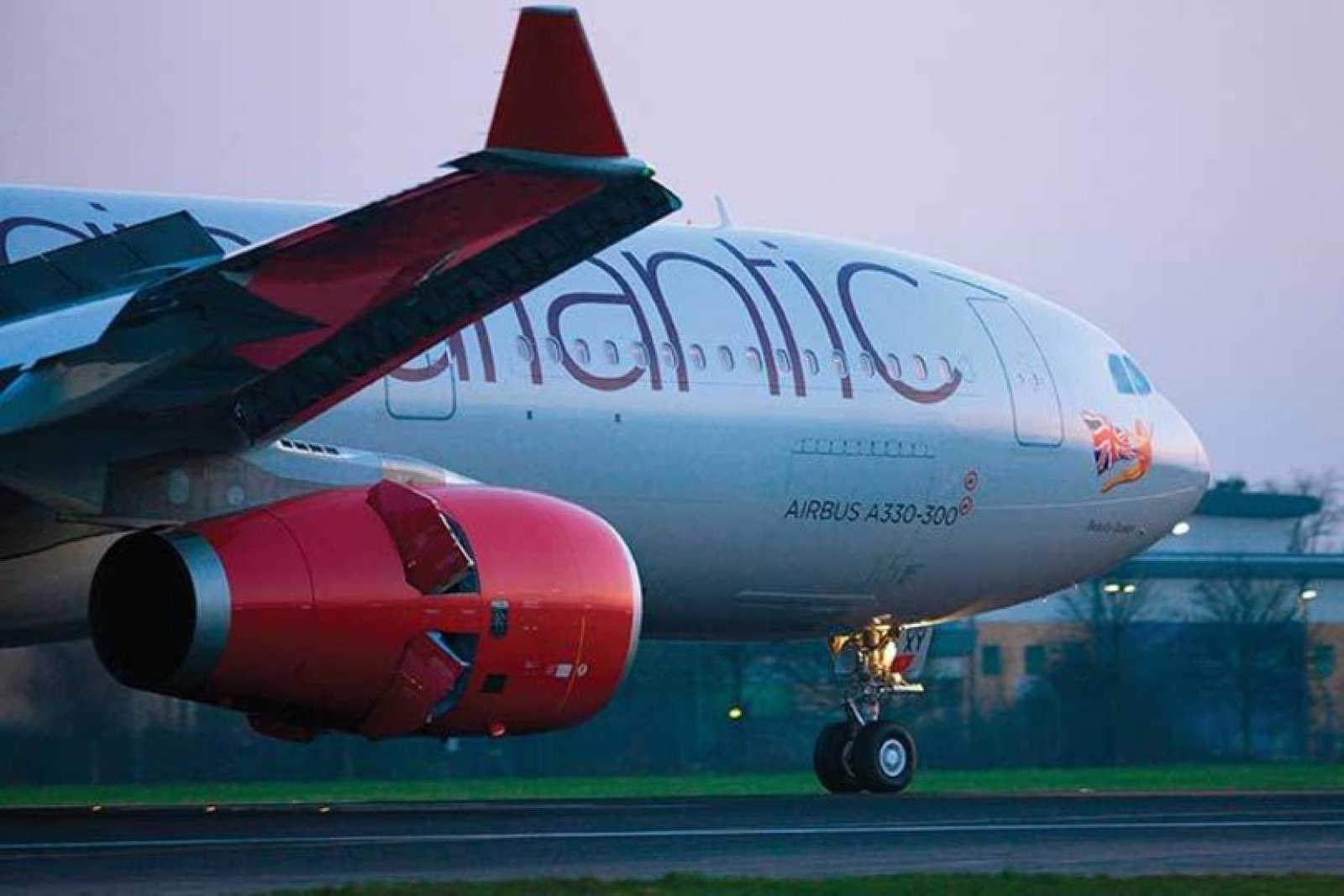
“Airlines are trying to get more of their fleets up into the air, but people are used to seeing these almost comically high air fares," said Lancashire.
This had led to a longer booking lead-ins, she added, unlike during the pandemic. “We will see a swing back to normality and longer lead-in time because consumers know they will need to book to ensure they get their flight.”
Lancashire said trust in the trade had not diminished despite the pandemic being over. “We saw how many people turned to agents after the pandemic – I don’t think that’s changed. Booking with an agent brings an element of trust. It might not be the cheapest, but it’s absolutely the best value.”