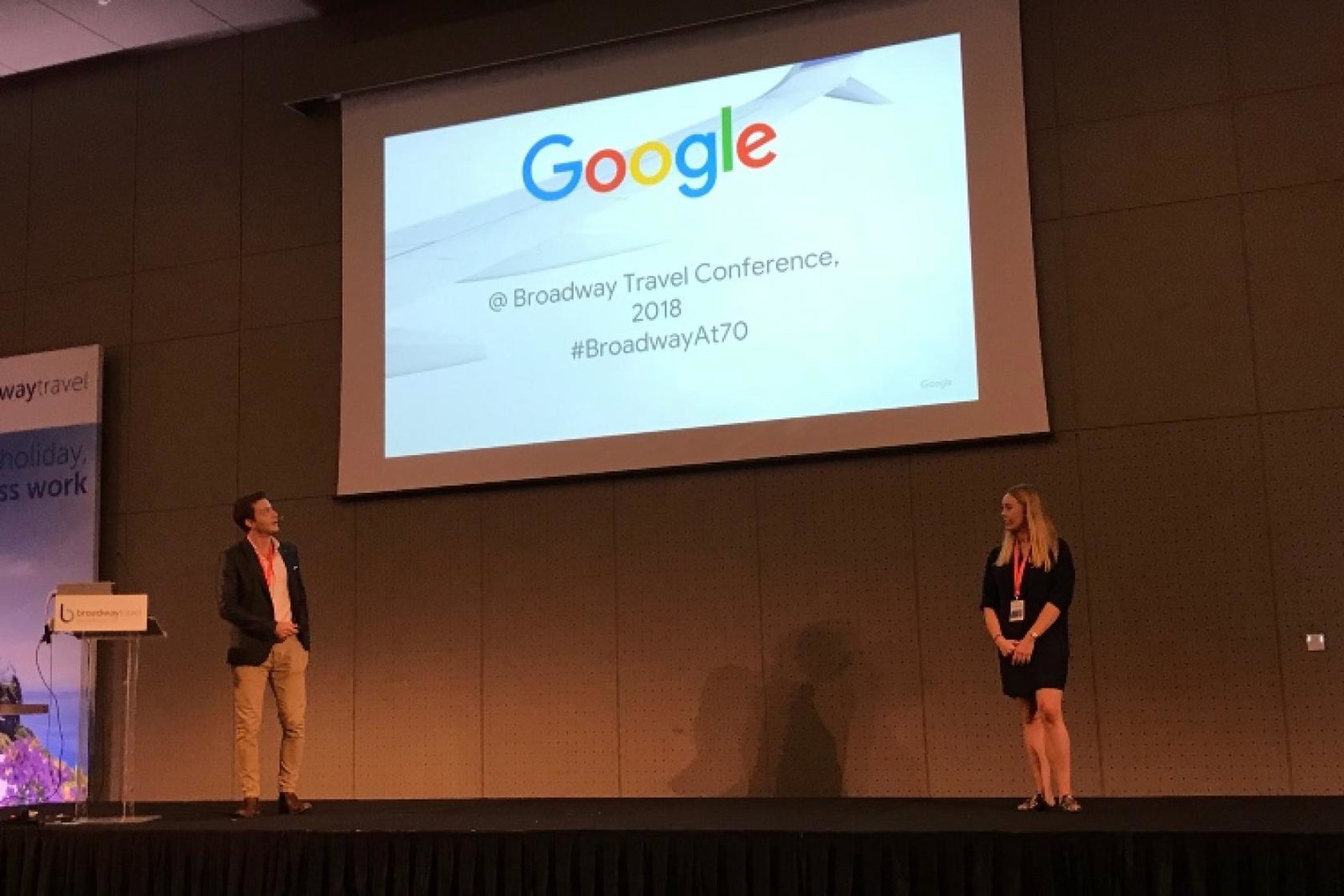
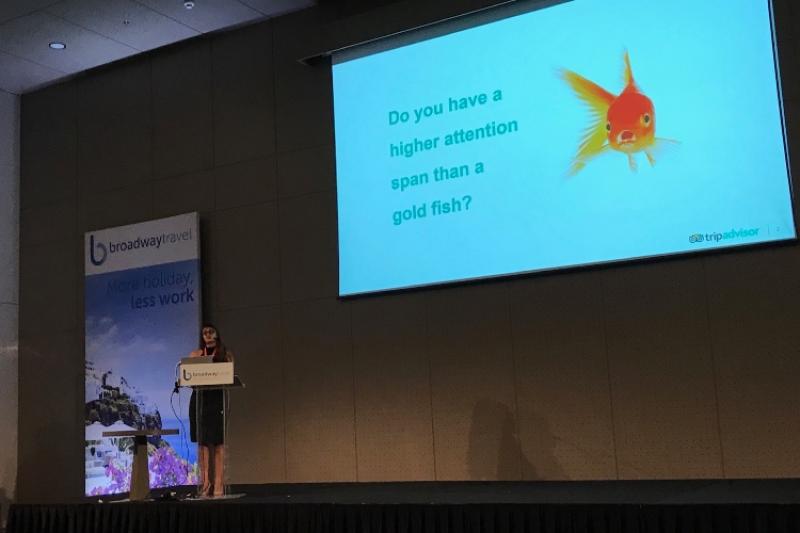
The search giant revealed more of its ambitions to meet travellers’ needs during an address at the Broadway Travel conference in Dubrovnik on Tuesday (October 16), where delegates also heard from TripAdvisor about its plans to move into a more social space between its heritage as a review site and a more experiential approach to travel content through a dedicated "social travel feed".
Google’s Eoin Cahill and Benedicte Conway stressed users now expect a more more personalised travel experience than ever before. “People don’t want all the fuss. They want a fast and frictionless experience,” said Conway.
According to Google research, 15% of all searches are unique or brand new while over the past two years, there has been a 25% increase in search terms including the word “best”.
“We are providing a platform for people to exploit their curiosity,” said Cahill, reiterating the importance for Google to continue creating “relevant content” for people who are searching for things for the first time.
A key focus for Google how personalisation breeds loyalty, with 69% of travellers showing loyalty to those travel companies that seek to personalise the user experience.
Referencing the impatience of modern day travellers and web users, the pair presented data suggesting more than three quarters of travellers want the web service or booking experience they seek to be delivered within a minute, warning delegates that even slow website loading times were enough to put many consumers off.
Further research presented by Google highlighted sweeping changes in destination search trends, including Turkey increasing by 44% year-on-year compared with Greece. Others include more holiday-related searches for the US instead of Spain, Liverpool over New York City and Paris over Amsterdam as new destinations emerge and re-emerge.
Mobile phones and other connected devices are also now central to both holiday planning and the booking process. Citing Kantar research, Google states there are currently around eight billion connected devices in use, which is forecast to rise to 20 billion by 2020.
Some 69% of UK travellers are now booking different parts of their trips individually rather than as a package and, according to Cahill and Conway, there is a trend towards their preference being to see fewer holiday choices or options in lieu of more tailored, personalised recommendations.
“There is a paradox of choice,” said Conway. “People prefer options that reflect their travel habits and preferences rather than searching through many options.”
She added no one was currently owning this space in travel as Netflix does with television and film.
“People are looking for a 24/7 online travel agent that meets all their needs. Consumers are going towards services that provide that.”