Why did Responsible Travel conduct the investigation?
Last year, a customer on one of our sea turtle volunteering holidays in Sri Lanka raised concerns about the ethics of her trip – most notably that some turtles in the hatchery were kept in tanks. It was something that we’d been concerned about so we decided to carry out more research and have developed some guidelines.
What was the main finding from the investigation?
That tanks, into which some hatcheries place newly hatched turtles, can cause serious problems. Diseases and bacteria are easily transmitted, and can be passed on to wild turtles when the hatchlings are released.

The tanks seem to be used as they’re fun for tourists – who can handle and photograph the turtles, and see them out of season, when there are no nesting turtles or hatchlings on the beaches. In the worst cases, some sea turtles are kept in tanks indefinitely.
What else did the investigation discover?
Mainly that incubating sea turtle eggs is not as simple as it may appear. It’s easy for untrained volunteers to patrol beaches, gather eggs and place them in new nests; however, this doesn’t mean the process is successful.
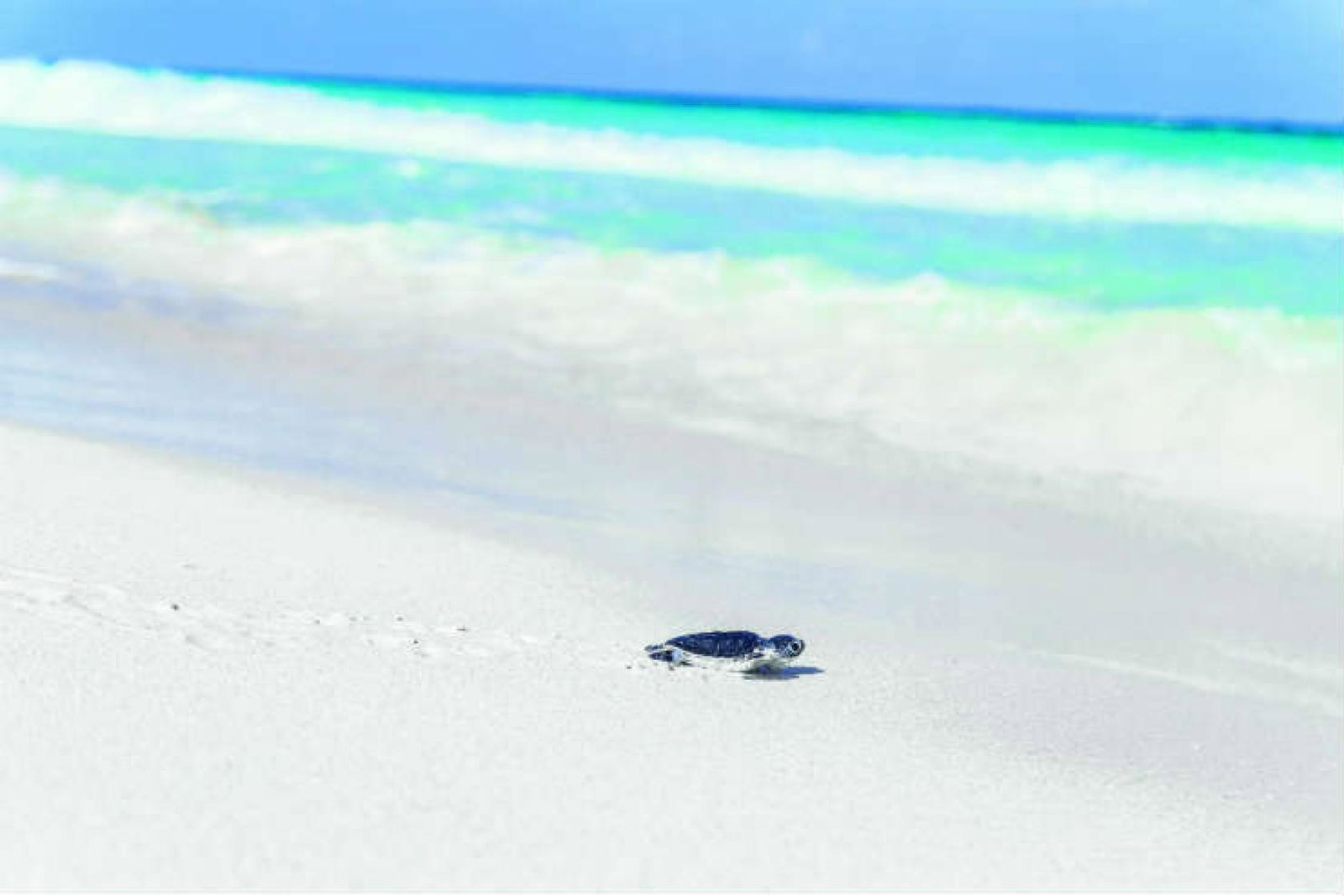
Nest temperatures affect the sex of the hatchlings – if the balance is skewed, this might not become apparent for decades, when the turtles are old enough to reproduce. Dry sand dehydrates the eggs; wet sand can suffocate them. Hatchlings must be allowed to make their way to the sea alone, to imprint the location of the beach – it’s a delicate science.
How can hatcheries be beneficial to turtles?
Worldwide, six out of the seven species of sea turtle are listed as vulnerable, endangered or critically endangered. The main threats to their survival include coastal development and light pollution; hunting of turtles and theft of eggs; disturbance of the nests; marine plastics; and commercial fishing.
Sea turtle hatcheries can mitigate some of these issues by moving the eggs to nests on a safe part of the beach where they can be guarded, and from where the hatchlings can be safely released.
There are many successful hatchery projects: the best sea turtle conservation NGOs work with local communities, schools and governments to demonstrate that the turtles can be worth more alive than dead, through tourism, for example; train former poachers to patrol beaches; organise beach clean-ups or lead workshops with school children.