And therein lies the problem.
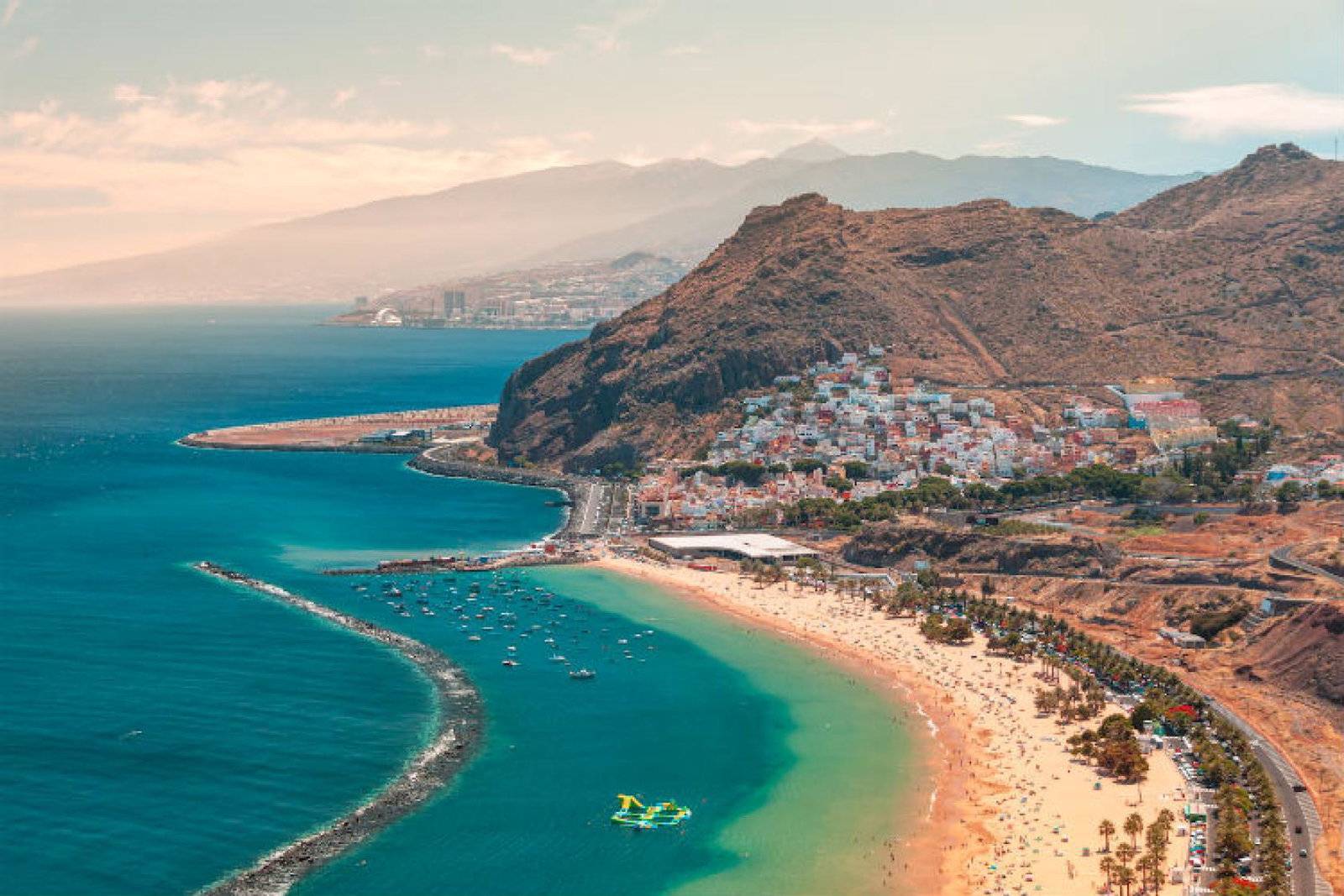
On Saturday night, around 6.30pm, the Department for Transport announced UK arrivals from Spain, including the country’s Balearic and Canary islands, from midnight (Saturday into Sunday) would have to self-isolate for 14 days upon their return.
This government, not exactly lauded for its quick reactions at the start of this crisis, has finally started reacting with haste – at a time when more thought than ever was needed.
It is impossible to switch a country off with six hours notice – not only for the thousands of holidaymakers currently in said country or about to fly out, but for the very travel industry that enables these holidays to go ahead.
Brits currently on holiday were left wondering what exactly this news meant (helpfully, the Foreign Office’s “Form and self-isolation helpline” is only actually open from Monday to Friday), while the travel industry – from agents to operators to airlines - were left scrambling to get in touch with both travellers already in resort, and the thousands due to fly out.
Reports suggest some three million people are booked to travel from the UK to Spain in August alone. That’s an awful lot of people for a sector already fragile and exhausted from months of doling out refunds with no money coming in, to now grapple with.
Then there’s the discrepancy between the FCO advice and the DfT.
At the same time the DfT released its update, the FCO also announced it was once again advising against all but essential travel to mainland Spain. Except, unlike the DfT it excluded both the Balearics and the Canaries from its advice, further muddying the waters.
The FCO update means travel insurance will be invalid for those travelling to mainland Spain (although those currently in Spain are still covered), so customers due to holiday may be entitled to a refund. For customers due to fly out to the Balearics or Canaries, it’s a different story. Technically, according to the FCO, their holiday can still go ahead - they will just need to self-isolate for 14 days when they return.
Jet2 and Tui have reportedly previously stated they will not take travellers to a destination which means Brits would have to self isolate upon their return. And Tui has already announced the cancellation of all flights due to depart to mainland Spain and the Canary Islands on 26 July.
But for a sector in which many businesses are still more focused on handing out refunds than selling holidays, this latest news is, as the Advantage Travel Partnership put it, “devastating”.
There is also the knock on effect. How many people who may have been ready to book a last minute break abroad will now think twice, in case the same happens to their destinations? Because how many are able to self-isolate for two weeks upon their return – and how many bosses will be willing to accommodate them?
The result is many people – both in the travel industry and wider public – left scratching their heads, wondering why on earth the government has issued such a kneejerk reaction.
The latest statistics suggest Spain has 272,000 confirmed cases of coronavirus, compared with the UK’s 299,000 (meaning it is surely safer to be in Spain right now, than the UK).
Yes, certain regions in Spain, including Barcelona, have seen sharp increases in Covid-19 cases and of course, the UK must do everything to protect its citizens. But is shutting off an entire country (and risking irreversible damage to an already fragile industry) really the best way to tackle this? Many have instead been left wondering why the UK government didn’t just shut off flights to certain regions, rather than the whole of mainland Spain (and its islands) or introduce testing at airports, as so many other countries have opted to do.
The government has itself admitted the odd discrepancy between its FCO and DfT advice, noting the FCO advice “does not cover the Canary Islands or the Balearic Islands because travel advice is based on the risk to the individual traveller and Covid-19 infection rates are lower there than mainland Spain.” Why on earth then do Brits have to self-isolate on arrival from these two destinations?
The “swift and decisive” action of which Raab is so proud is just another shameful indictment of the government’s utter lack of understanding of the UK travel industry. It is the final proof that ministers have entirely failed to comprehend the complexities and pressures of this important sector, and clearly have no interest in saving it.