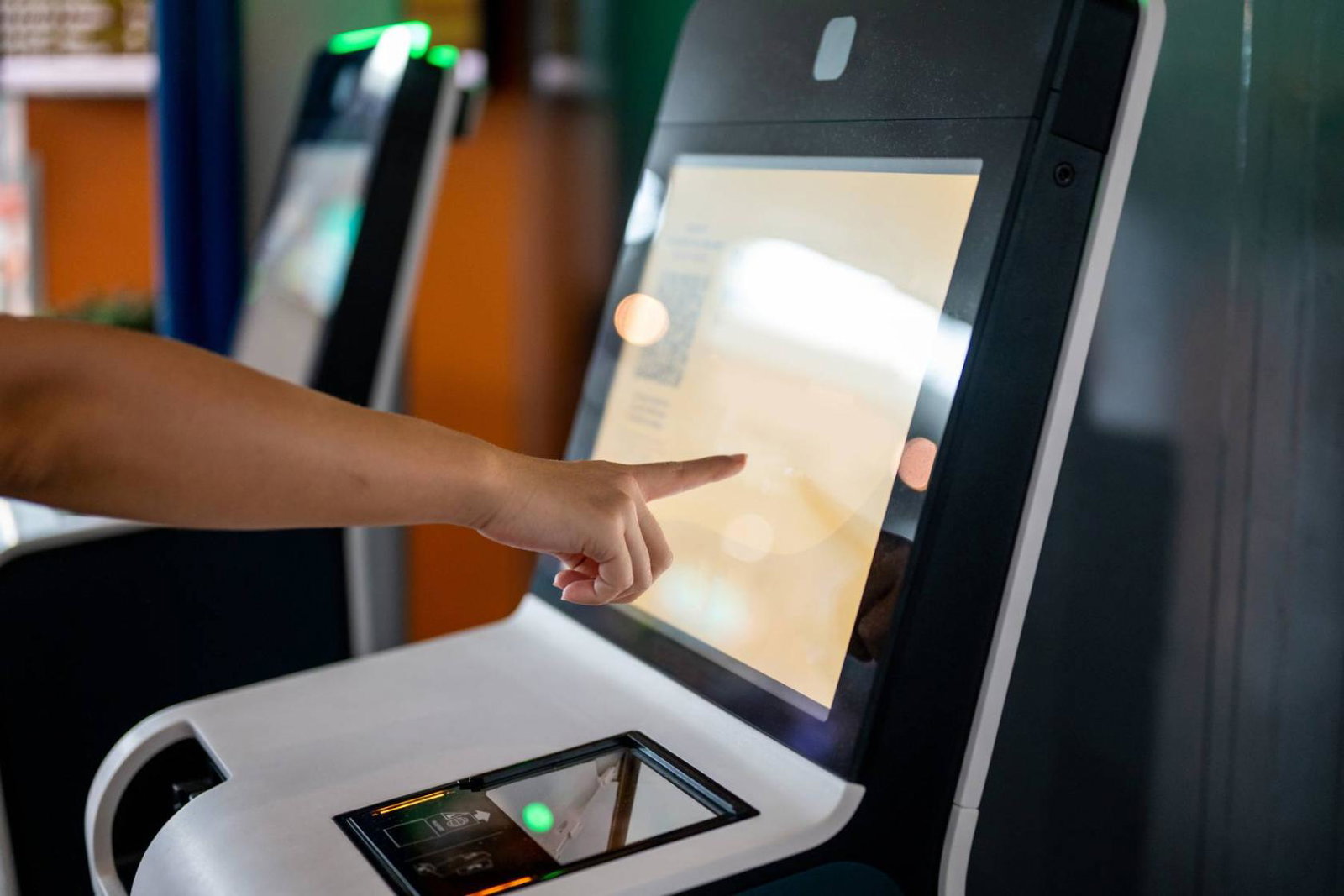
The commission has played down reports the two destinations could suspend fingerprinting and facial scans for Brits to reduce friction at border control this summer.
Greece's move came only just over a week after the new EU Entry-Exit System (EES) went fully live on 10 April. Travel industry leaders have called for lenience on its implementation ahead of the peak summer season.

According to the BBC, the commission is reportedly "in contact with Portugal and Italy, as with all member states, on the implementation of the EES". "Portuguese and Italian authorities confirmed that they do not intend to exempt any nationality," the commission told the BBC.
Several travel industry leaders have called for EU member states to make use of permitted contingencies this summer to alleviate pressure during peak periods. These include pausing the biometric checks.
However, the commission has repeatedly stressed these can – and should – only be used for short periods in "exceptional circumstances".
In a statement provided to TTG last month, the commission said it "does not foresee blanket exemptions [to EES] for nationals of specific third countries and for an extended period of time". It added any flexibilities should not be considered a route to permanent exemptions.
Jet2 chief Steve Heapy has backed Greece's decision, while Aito executive director Martyn Sumners called it a "pragmatic step" during an uncertain time.
Previously, Abta's director of public affairs Luke Petherbridge had called for member states to make better use of contingencies, while Advantage Travel Partnership chief executive Julia Lo Bue-Said has said the system should be suspended "flexibly".