





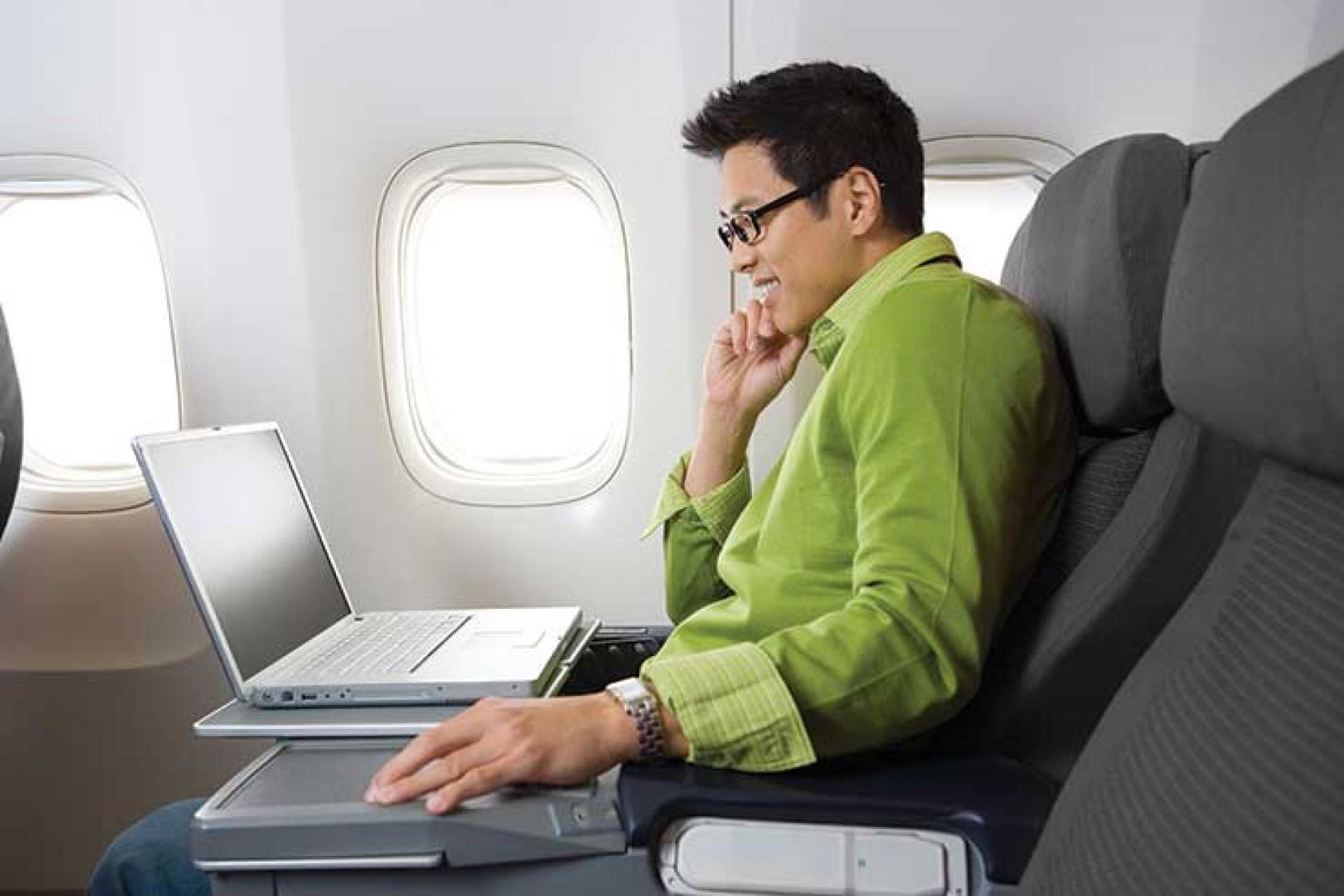
The European Union has called for urgent talks with the Trump administration over the potential plans (reportedly due to take place on Wednesday May 17) which would mean that certain devices could not be carried in aircraft cabins from some European airports.
The US’s ban is already applicable to flights originating from 10 Middle Eastern and North African airports over terrorism fears.
Speaking at the Advantage Travel Conference, Alistair Pritchard, Deloitte’s travel and aviation lead for the UK, said that the business advisory firm’s intelligence suggested the issue could “go further” to become a global ban. "This is a big issue for the sector,” he said. “As a business traveller, when I go away I tend to take my laptop.
“This is not only about not being able to work on a flight, it’s also about not being able to work in the airport.
“But even worse – my business, along with many others – has a policy that says you can’t take your laptop in the hold for [corporate] security reasons.
“If I can’t take it in the cabin, that means I can’t take my laptop away at all, making a four-day business trip absolutely useless, and I just wouldn’t be able to travel.”
Speaking at the Barclays Travel Forum, John Strickland, director, JLS Consulting, said: “I don’t think customers understand it and I don’t think the people who put the policy in place fully thought it through.
“I’m more worried that lithium batteries being together in the aircraft hold could result in a thermal runaway.”
Jo Kolatsis, partner, head of aviation and travel, Hill Dickinson, agreed with Strickland that if there had to be a laptop ban, a global approach should be taken.