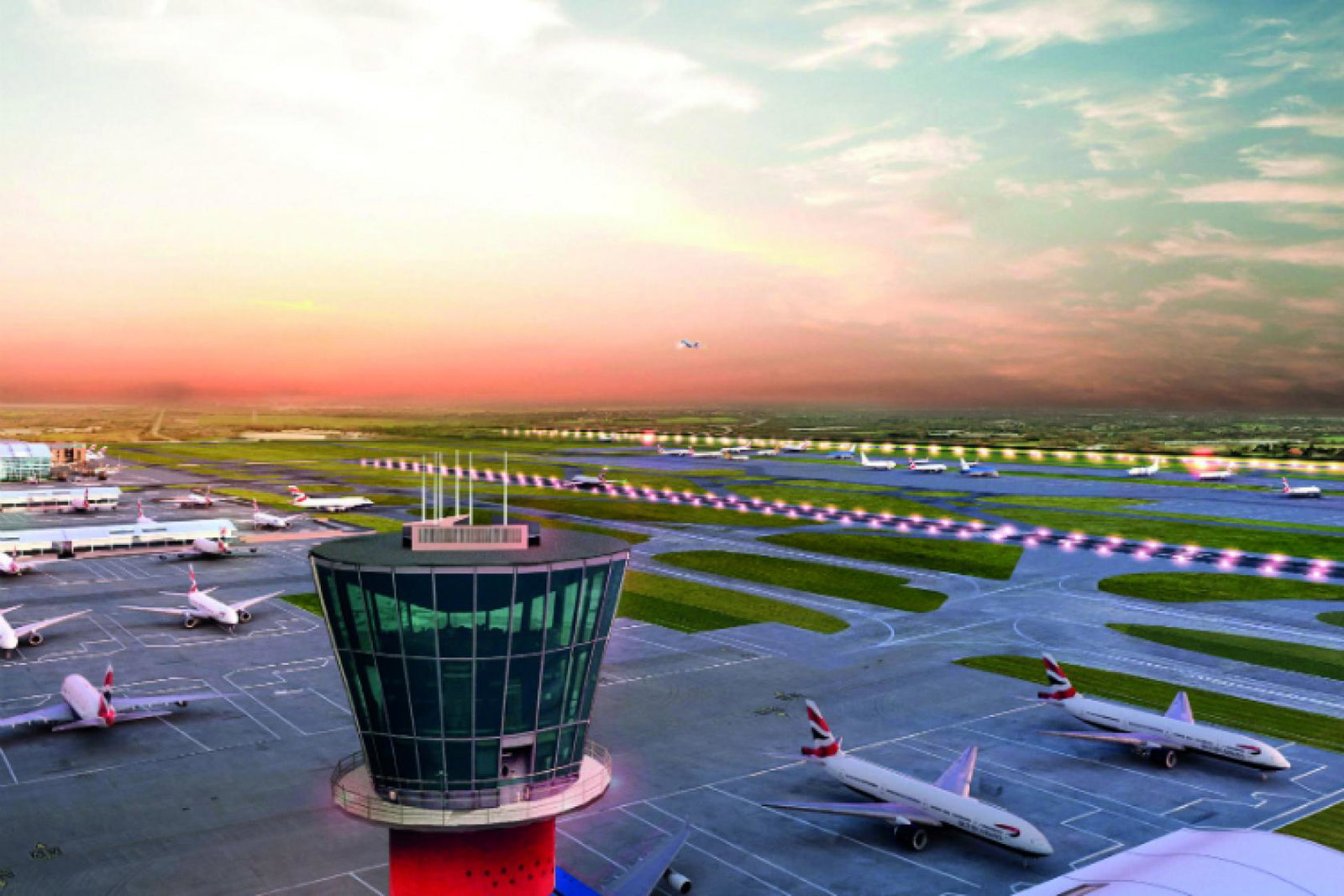
Cabinet ministers approved the Airports National Policy Statement (ANPS) on Tuesday (June 5) ahead of a Commons address by transport secretary Chris Grayling.
MPs will vote on the final proposals within the next month.
Heathrow and the government hope to stick to the original 2026 schedule for delivering the new runway, but the proposal must satisfy an independent planning inquiry and could face legal challenges.
Expansion remains conditional on air quality obligations, concessions on noise and night flying, and a £2.6 billion compensation package for local residents.
“Heathrow is already full, and the other London airports won’t be far behind,” said Grayling. “Airspace modernisation must be taken forward irrespective of the decision on the proposed new runway.”
Grayling used his Commons address to call on airports “across the south of England” to “make more intensive use” of existing airport infrastructure under the new ANPS – a move backed by the Airport Operators Association (AOA) and several regional airports, including Stansted, Luton and Bristol.
Karen Dee, AOA chief executive, said the government must now set out a clear framework for aviation growth and airspace modernisation that favours new capacity.
Grayling added 15% of new capacity resulting from expansion at Heathrow would be reserved for domestic connectivity, boosting competition.
Former transport secretary Lord Adonis, speaking at the 2018 ITT conference, said the Heathrow decision was “essential” and may be “the only big bit of infrastructure to go ahead because of Brexit”.
MORE: Was Brexit behind government’s Heathrow green light?
“It is highly important to the UK economy and our ability to present ourselves with first world travel capabilities,” he added.
One major concern is the cost of the scheme – which will be privately financed – and the proportion passed onto airlines and consumers.
Grayling said the CAA had identified £2.5 billion in savings for the project and would continue to advise.
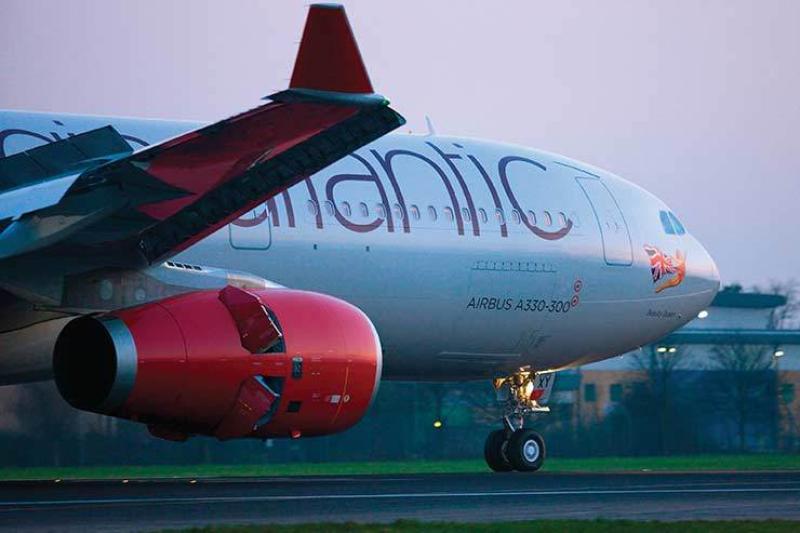
He pledged to keep charges levied on airlines “close to current levels” as a matter of “paramount importance” to the likes of British Airways and Virgin, Heathrow’s two main airlines.
He said there would be a six-and-a-half hour ban on night flying, with further consultation involving Heathrow and airlines on restrictions.
He added there would be significant improvements to rail infrastructure at Heathrow across its existing including Piccadilly Line service; through Crossrail; HS2 via a new station at Old Oak Common; and new western and southern access.
Tuesday’s decision paves the way for a final Commons vote within the next 21 sitting days of Parliament.
Theresa May had been expected to give Conservative MPs a free vote but will now likely insist on a whipped vote, with MPs banned from actively campaigning against the decision.
In a letter to Tory ministers, the Prime Minister said those with existing “long held views” on the subject can restate their opposition through local media.
Uxbridge MP Boris Johnson, who once said he would “lie down in front of the bulldozers”, is expected to be allowed to abstain on account of his foreign office duties.