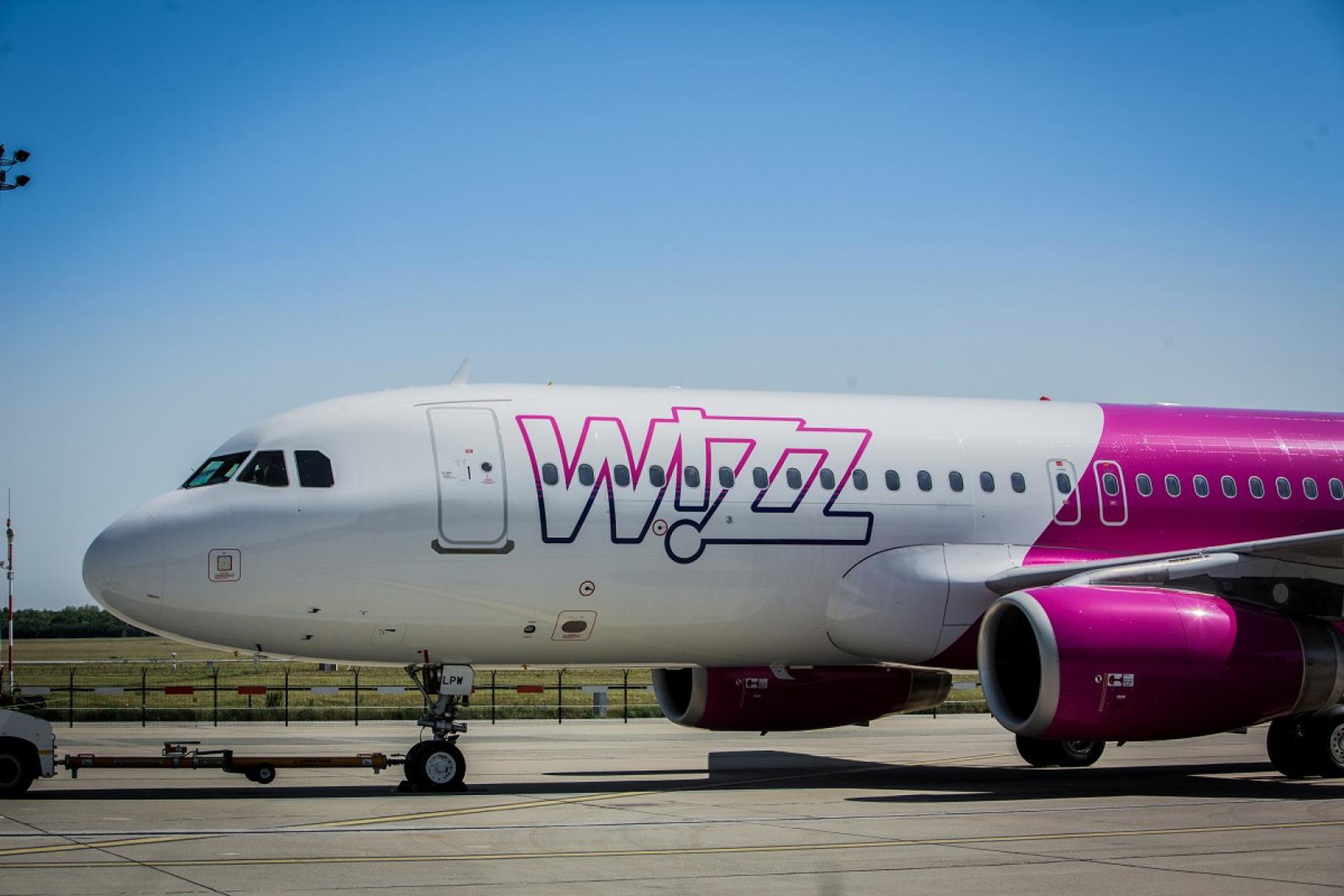
Despite on Wednesday (November 7) posting half-year (six months to September 30) revenues up 20% to €1.379 billion and profits up 1.2% to €292.2 million, the budget carrier said profit for the year to March 31, 2019, would come in at €270-€300 million, down from the €310-€340 million forecast earlier this year.
The airline said its projected fuel costs for the year had grown to €80 million, half of which it expects to offset through “improved operational performance” and a “relentless focus on costs”.

Jet fuel costs are around 25% higher than they were 12 months ago. A number of airlines, including Ryanair, easyJet and Norwegian, have also cited fuel costs as a growing concern.
Wizz has also cut second half capacity growth from 18% to 14% in an attempt to stimulate higher ticket prices and reduce waste capacity.
Jozsef Varadi, Wizz chief executive, said the addition of new Airbus A321neo aircraft to its fleet in Q4 would allow the airline to further increase its “cost advantage”.
However, reflecting on H1, Varadi acknowledged Wizz was far from alone with its troubles.
“The operating environment in the first half was particularly challenging for all European airlines with unprecedented disruptions caused by ATC strikes, slot constraints as well as heavily congested airports,” said Varadi.
“The encouraging revenue environment, robust demand and improved operational performance, combined with our relentless focus on costs, will enable the company to offset approximately half of the fuel headwind estimated at around €80 million for the full year and disruption costs.
"As a result, our full year net profit guidance is lowered to a range of between €270m and €300m.”