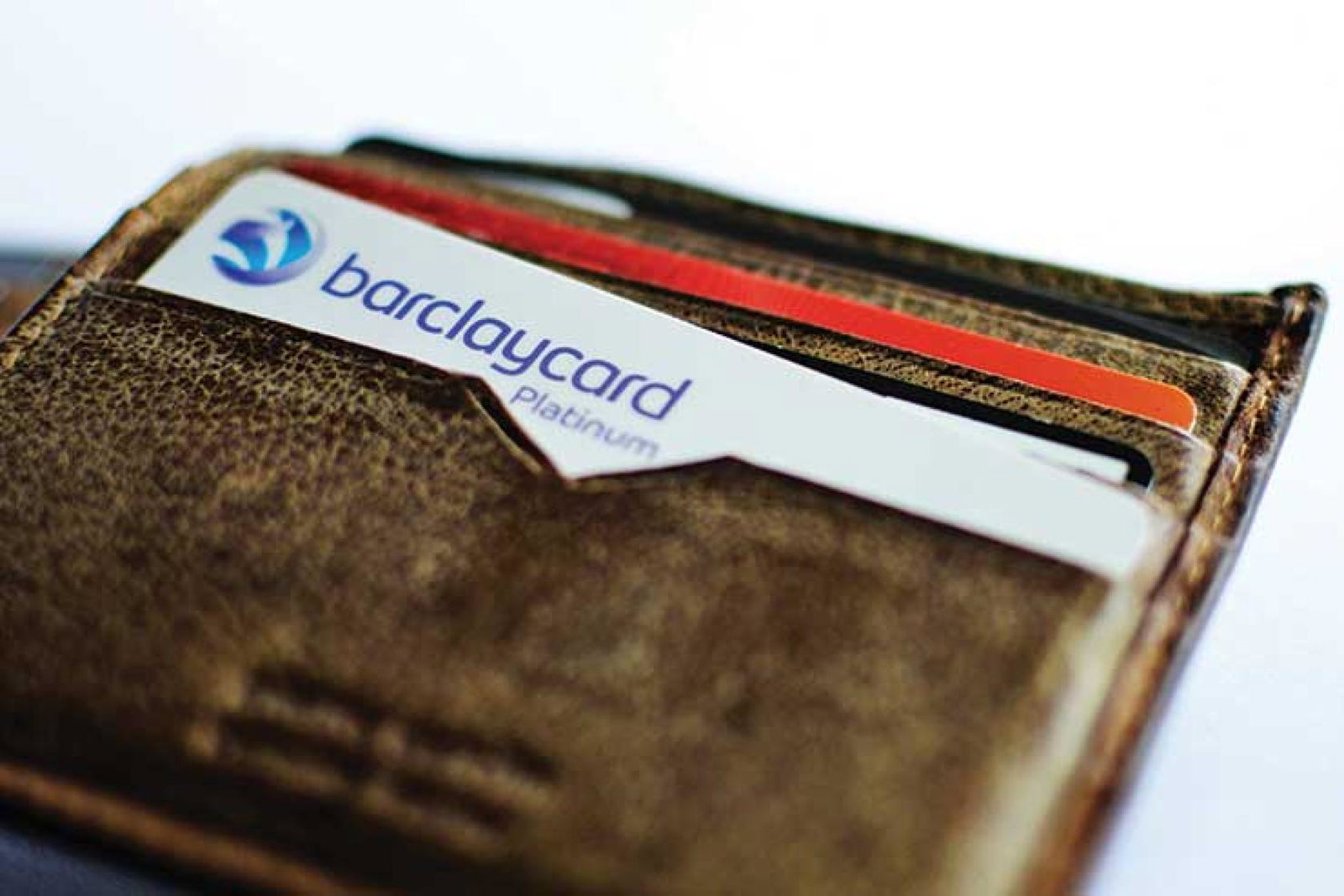
The impending ban, which will be imposed from January 13, will apply to payments for flight and holiday bookings in-store and online and forms part of the second EU Payment Services Directive (PSD2).
As a result, businesses will not be allowed to profit from surcharging but the costs incurred processing card payments will still stand and be passed on to companies, tax consultancy firm RSM said.
The organisation said it believed the change could “impact the bottom line” of travel firms when the new rules come in.

As it stands, the European directive bans surcharges on Visa and Mastercard payments although the UK government this week it would also be banning charges on American Express and Paypal.
The UK Cards Association’s latest card expenditure statistics for the year to April shows that consumer credit card spend with travel agents totalled £7.5 billion.
Based on charges of between 0.5% and 2% of transaction value, this indicates a cost implication in the range of between £35 million and £150 million across the sector.
As a result, travel businesses may be faced to consider either absorbing the additional operating costs or pass them on to consumers through booking fees or price increases.
RSM said travel agents may also wish to consider offering alternative payment method options and “be mindful” of when the ban will be enforced from.
Ian Bell, head of travel and tourism at RSM said: ‘This may seem like a fairly minor change, but travel agents who currently pass on their card costs to consumers may well feel a significant hit when the new rules start to bite next year.
“Many will no doubt consider raising headline prices in response, but nobody wants to be the first to jump. At a time when agents are already experiencing margin squeeze, firms need to consider their options now to ensure they don’t suffer a financial headache in the New Year.”