In its annual report, issued on Wednesday (July 18), the ATT revealed the fund had accrued a surplus of £170 million in the year to March 31, up from £145 million the previous year.
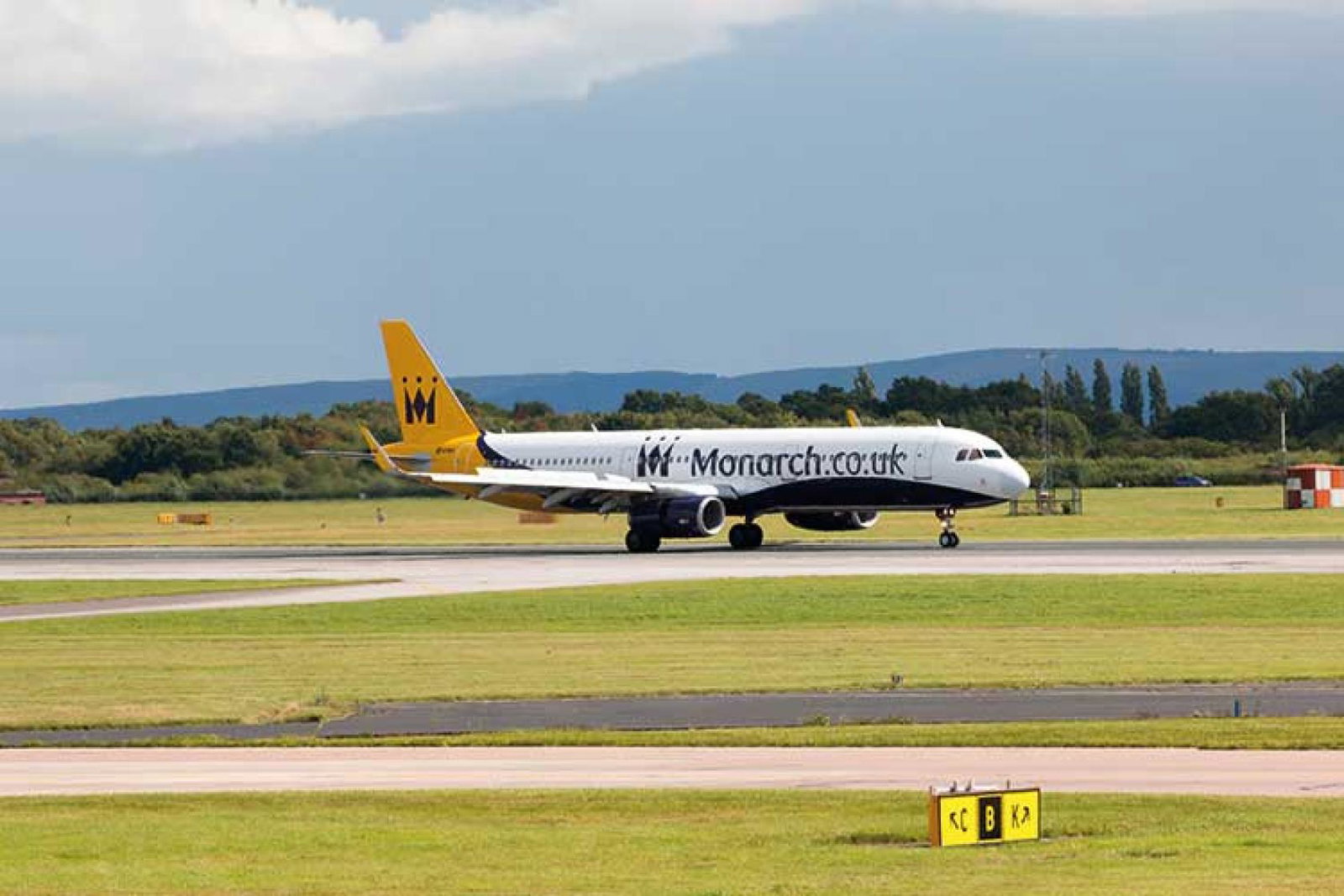
This was despite the Monarch failure, which triggered the largest repatriation of UK air passengers in history.
Income from Atol protection contributions totalled just shy of £60 million, up around £700,000 on 2017.
The report reveals the process dented the fund to the tune of £16 million, “without doubt the financial year’s most significant event” said the ATT.
In total, around 110,000 Monarch passengers were affected, although only a small proportion were protected under the Atol scheme through Monarch Holidays Ltd and Avro Ltd bookings, as well as a limited number of seat-only sales sold through First Aviation Ltd, the Monarch Group’s third Atol protected operator.
The government stepped in to assist the repatriation, at what is believed to have been a cost of £60 million to the taxpayer.
The report says government intervention was necessary “primarily because available spare capacity... would have been insufficient to satisfy the surge in demand.”
Around 80% of Monarch passengers had submitted refund claims by the end of the year, which have been paid.
Over the past year, nine Atol holders failed, the next most significant after Monarch being Chadwell Travel, trading as A1 Travel.
A1 predominantly sold flight-plus bookings, which were brought under the Atol scheme in 2012 and are now packages under the new Package Travel Regulations.
As a result, most passengers were Atol protected. The trust drafted in Broadway Travel to re-arrange many holidays, saving the ATT providing refunds in many cases.
The failure though is still expected to cost the fund around £4.5 million, while the total burden on the fund in the year to March 31 was £21.3 million.