Located on the island of Borneo, Sarawak is a Malaysian state famed for its landscape of lush rainforests, mountains and waterways. It’s within this nature haven that visitors can experience some of the world’s most exciting wildlife encounters – including the symbolic hornbill and the famous orangutan.
But do your clients know how multidimensional Sarawak really is? With a globally recognised food scene, vibrant festivals calendar and immersive ecotourism experiences, there’s so much more to discover in the 'Gateway to Borneo’ beyond its nature and adventure. Better yet, recent investment in tourism infrastructure and product development means there's never been a better time for your customers to visit.
Here, we highlight four unique ways to sell a Sarawak adventure:
1. Showcase its food and festivals
Sarawak's incredible biodiversity will forever be its strongest selling point – but the experiences don’t stop there.
Foodie travellers will fall in love with Sarawak’s gastronomic scene, with local dishes often blending Indigenous ingredients from the region’s 34 ethnic communities with more modern Malaysian and Chinese flavours. Visitors can’t leave without trying laksa (noodle soup), ayam pansuh (bamboo-cooked chicken) and the visually striking kek lapis (colourful layered cake).
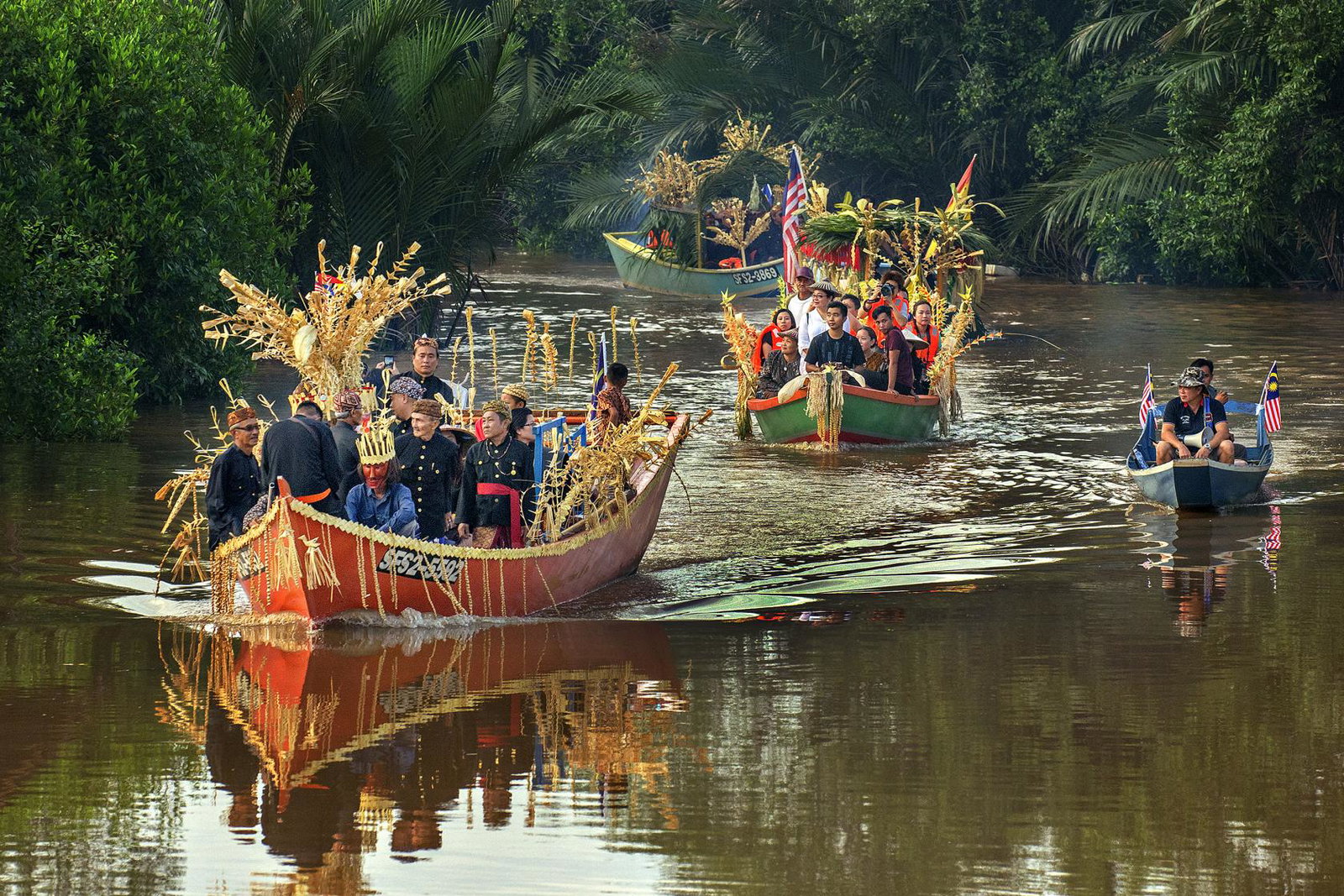
The Bornean region also boasts a vibrant festival calendar. Taking place in June, the three-day Rainforest World Music Festival showcases a range of musical genres from around the world, including local Indigenous music and performances. Gawai Dayak is an Indigenous festival celebrating the end of harvest, also in June, while Sarawak Regatta is an unmissable boat racing spectacle that runs from October to November. Learn more about these increasingly popular events at the Sarawak Ministry of Tourism website.
The region has also been investing in Kuching's indoor cultural attractions, with the Borneo Cultures Museum opening in 2022. Now, redevelopments are underway for the Sarawak Performing Arts Centre, a state-of-the-art, 1,000-seat theatre due to open in 2027.

2. Explain its growing appeal outside of high-season
When searching for the best time for your client to visit Sarawak, the dry season (June to September) will likely be the answer you find – especially if visiting purely for wildlife purposes. But that doesn’t mean Sarawak is off-limits throughout the rest of the year. Shoulder-season months, such as April and October, are a great time for clients who want the all-round experience, combining rainforest adventures with urban exploring. Monsoon season (November to February) inevitably brings more rain, but it also offers more affordable flights and accommodation, as well as fewer crowds.
Keep an eye out for the region’s future transport infrastructure, helping boost Sarawak’s year-round appeal and accessibility further, including the launch of state-run Air Borneo in January 2026 (reaching some of the more niche corners of the region), plus plans for an international airport.
3. Detail its globally recognised experiences
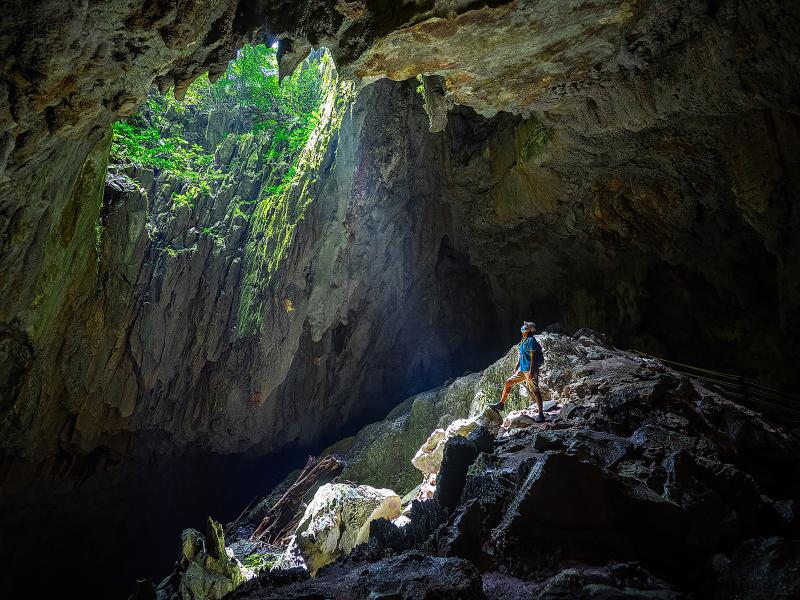
Did you know Sarawak is home to the largest cave (by area) in the world? The Sarawak Chamber is not only renowned for its size, but for its breathtaking wildlife spectacle – millions of bats flying out of the cave at dusk each evening. The landscape is part of Gunung Mulu, a national park celebrating its 25th anniversary as a Unesco World Heritage Site in 2025. Another fascinating Unesco-recognised site is the cave complex within Niah National Park, containing the world’s oldest archaeological evidence of human interaction with the rainforest, dating back more than 50,000 years.
Recent years have also seen Kuching named as the Unesco City of Creative Gastronomy, along with the title of World Craft City by the World’s Craft Council. These recognitions from prestigious global bodies once again showcase the diverse offerings of Sarawak that your adventurous and culturally curious clients will love.
4. Highlight its dedication to responsible travel
Sarawak may be developing its tourism infrastructure, but it’s doing so with its people and the planet in mind. Many experiences here are shaped by community-based and ecotourism principles, not only providing authentic and immersive experiences for travellers, but also ensuring locals – especially Indigenous populations and locals from rural areas – are benefiting from tourists too.
Visitors can choose from a range of accommodation, from homestays and traditional longhouses to eco-lodges – many of the latter receiving investment for upgrades and restoration. Meanwhile, various eco-activities have been designed to reduce the impact on the environment, from kayaking adventures deep within the rainforest to exploring Kuching’s cultural highlights via e-bike or electric bus.
Want to learn more?
The Sarawak Tourism Board is on hand to provide travel agents with essential destination information, including how to get there via several key international hubs (Singapore, Kuala Lumpa, Kota Kinabalu). Visit sarawaktourism.com for details on Sarawak's latest campaigns, agent training and incentive programmes.