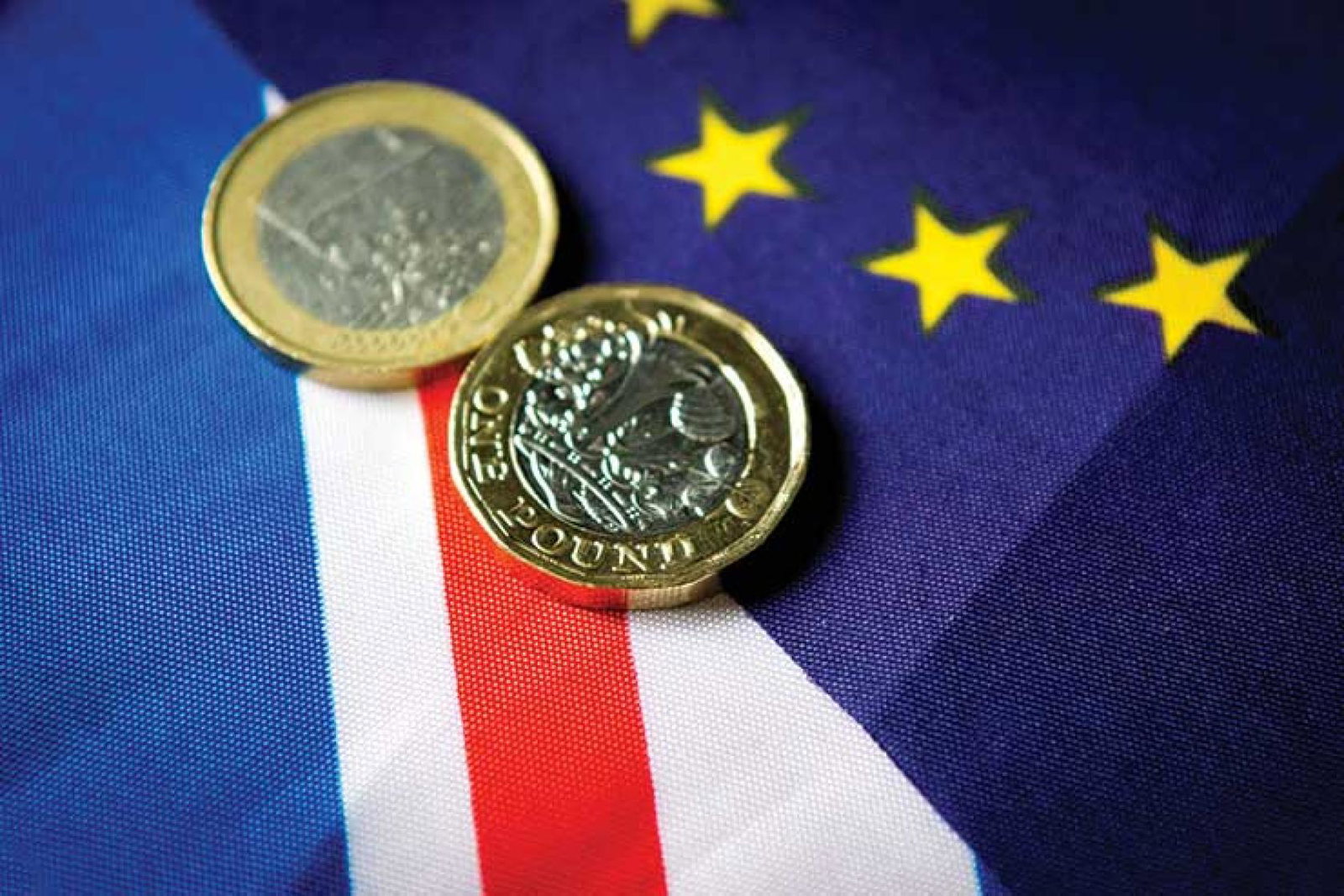
EU leaders agreed a six-month “flextension” after hours of debate in Brussels on Wednesday (10 April).
A new 31 October deadline has been set, although the UK will be able to leave the union before then if prime minister Theresa May can gain enough support for her withdrawal agreement.
MPs, though, remain deadlocked on the issue, with cross-party talks ongoing but yet failing to come to any significant common ground.
The extension confirms the UK will now have to participate in European election in May, or face leaving the EU on 1 June without a deal.
Emerging from the talks, president of the European Council Donald Tusk warned British politicians: “Please do not waste this time.”
He added the UK could also reconsider its course of “cancel Brexit altogether”.
A six-month extension is shorter than the full year many predicted, and it is understood French president Emmanuel Macron was the key figure demanding a shorter extension.
He argued a longer delay risked serious damage to the EU by, as one French official cited by The Guardian put it, “importing Britain’s political crisis into the EU”.
May is expected to address the House of Commons on Thursday (11 April) while cross-party talks involving the Conservatives and Labour are expected to continue.