Waste: 2%
EasyJet holidays found that plastic reduction is among the top three areas customers say they care about in sustainable tourism. As a result, the operator partnered with the Menorca Preservation Fund to help hotels find realistic alternatives to cheap single-use plastics.
Iberostar aims to be waste-free by the end of this year, and its 3R (reduce, reuse, recycle) teams separate, weigh and analyse everything that’s disposed of in its hotels.
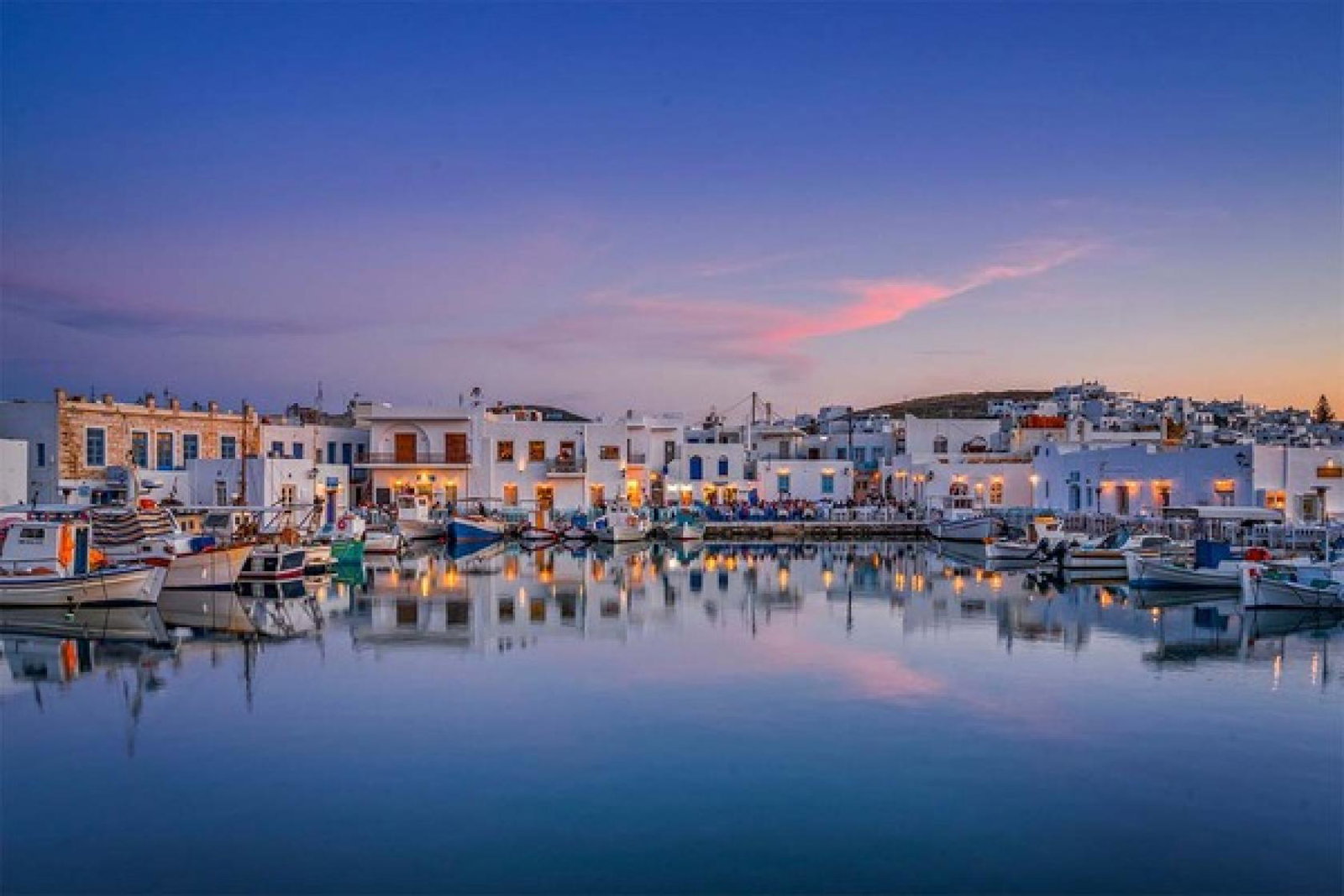
In Greece, Tilos became the world’s first island with a zero-waste certificate in 2023, while Paros (pictured above) is almost entirely free of single-use plastic, and visitors can volunteer on beach clean-ups.
Ask suppliers if they share advice to help guests cut their waste. Intrepid gives clients a reusable tote bag and shares a packing list, which reminds them to pack reusable items.
Activities: 3%
Ask the suppliers you deal with whether they offer activities that benefit local people in the destinations they visit. Intrepid employs local guides and includes experiences that are designed to have a positive impact, supporting many immersive community-based tourism projects.
The operator also takes clients outside of the usual popular tourist spots to help combat overtourism.
Both easyJet holidays and Iberostar have partnered with non-profit organisation Planeterra to support community tourism enterprises, some of which guests can get involved with.
And for innovative ideas of responsible tourism experiences in Greece – such as helping dolphin conservation researchers on the island of Alonissos – visit sustainablegreece.co.uk.
Transfers and transport in the destination: 5%
EasyJet holidays used three electric transfer vehicles in Rhodes last year, which carried more than 5,250 guests and led to a saving of 27 tonnes of carbon. Customers gave glowing reviews for the initiative, and the fleet has been increased for 2025.
Electric vehicles have also proven popular on the Greek island of Astypalaia, thanks to a collaboration with the Volkswagen Group, which replaced 1,500 engine vehicles with around 1,000 electric ones, which visitors are now able to hire. Intrepid uses local methods of transport like tuk-tuks to get guests around destinations, putting money back into the pockets of the community and giving travellers a more authentic flavour of local life.
To reduce emissions the operator has also eliminated short-haul flights where possible, and is removing all flights under 90 minutes, using other modes of transport such as rail instead.
Food: 10%
An Iberostar report found that despite hotel meals representing less than 0.5% of the total consumed worldwide, they “contribute disproportionately” to foodrelated emissions and waste. The hotel giant is working towards 100% of its seafood coming from responsible sources and uses AI technology to slash food waste.
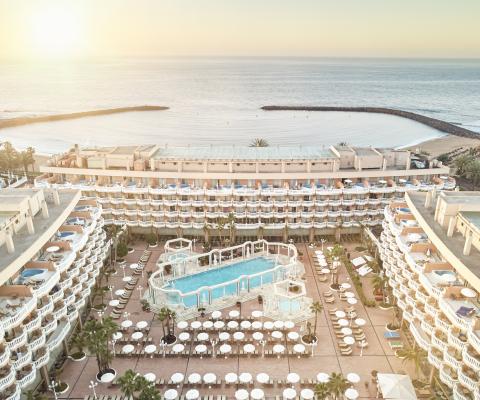
Similarly, an easyJet holidays trial to address food waste in all-inclusive hotels in Tenerife saw a 68% reduction in buffet food waste against the benchmark, saving hundreds of tonnes of carbon, money and chefs’ time.
Look for innovative local foodie initiatives too, such as the “Pick the Alien” campaign on the Greek island of Paxos. This encourages markets, restaurants and shops to promote the consumption of invasive, non-native marine species, such as lionfish and Atlantic blue crab.
And Intrepid recommends trying plant-based foods on holiday, as they generally have a much lower carbon footprint than animal-based ones.
Accommodation: 10%
Look for hotels that promote their work around responsible tourism, such as Iberostar with its Wave of Change movement. As well as reducing properties’ emissions, it focuses on caring for the Iberostar team, the hotels’ natural surroundings and its destinations’ coastlines, alongside other impressive initiatives.
EasyJet holidays offers 2,000 certified sustainable hotels, which consistently perform strongly in customer feedback surveys. If the hundreds of certification schemes feel overwhelming, Hammond recommends looking for those approved by the GSTC (Global Sustainable Travel Council), and schemes including Abta’s Travelife, which has certified nearly 200 properties in Greece alone.
Also consider suppliers with B Corp certification, such as Intrepid, which offers a range of carefully chosen hotels run by locals, as well as welcoming homestays
Flights: 70%
Sustainable suppliers often encourage clients to choose direct flights where possible, and highlight the benefit of staying for longer on one trip, instead of flying for several shorter breaks.
Some airlines share the carbon emitted by a flight – Google Flights gives an estimate in search results. Hammond highlighted work under way to reduce the carbon footprint of flights, such as easyJet’s hydrogen partnership with Rolls- Royce and Airbus. Recent innovations include using more efficient engines and lighter paints, which the airline reports “have had a considerable impact” across its fleet.
Ask suppliers if they have options to travel by rail – in 2025, 76% of Intrepid’s top 100 best-selling trips are flight-free, while it also offers a range of tours in partnership with flight-free specialist Byway.
Get more top tips on our TTG Sustainable Travel Heroes hub.